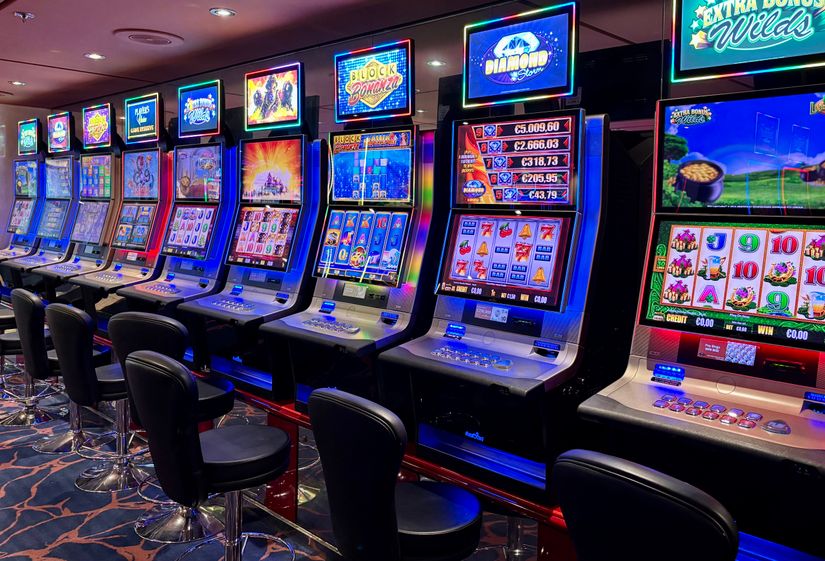
Gioco singolo vs multiplayer: come le funzioni social dei casinò live trasformano le jackpot

Negli ultimi due anni il mercato dei casinò online ha vissuto una crescita senza precedenti: nel 2026 più del 70 % dei giocatori italiani preferisce le versioni digitali rispetto ai tradizionali saloni fisici. Questa tendenza è alimentata da due fattori principali. Da un lato, le slot e i tavoli classici offrono un’esperienza “single‑player” in cui l’utente controlla ogni aspetto del ritmo di gioco, dalla velocità delle puntate al momento in cui decide di fermarsi. Dall’altro, le piattaforme live hanno introdotto funzionalità social – chat integrate, emoji, tavoli virtuali condivisi – che trasformano il gioco in un’attività di gruppo, più simile a una serata in un vero casinò.

Le jackpot, sia progressive che giornaliere, rappresentano il richiamo più forte per entrambi i tipi di utente. Per un giocatore solitario la promessa di una vincita milionaria è un obiettivo personale, mentre per una community la stessa jackpot può diventare un evento collettivo, capace di generare entusiasmo e competizione tra i partecipanti.

Quando si vuole capire meglio cosa si intende per “jackpot progressivo” e come gli operatori descrivono le proprie offerte, è possibile approfondire la definizione su casino non aams, dove sono elencate le jackpot più alte attualmente disponibili.

Evoluzione delle piattaforme live: da streaming a community interattive

Tecnologia di streaming a bassa latenza

Le piattaforme live hanno abbandonato i vecchi flussi in buffer a favore di tecnologie WebRTC e codec a 4 K, riducendo il ritardo a meno di 200 ms. Questo permette ai giocatori di vedere il croupier in tempo reale, senza interruzioni, e di reagire immediatamente a ogni carta o ruota.

Integrazione di chat, emoji e tavoli virtuali

Oltre al video, i provider hanno inserito sistemi di chat testuale e vocale direttamente nella finestra di gioco. Gli utenti possono inviare emoji per celebrare una vincita, lanciare sfide private o unirsi a “rooms” tematiche. Alcune piattaforme offrono tavoli virtuali dove è possibile personalizzare l’ambiente, scegliere il colore delle luci o aggiungere effetti sonori, creando un senso di appartenenza simile a quello di una lounge reale.

Caratteristica Prima generazione (2022‑2023) Live 2026
Latency 500‑800 ms ≤200 ms
Chat integrata Solo testo Testo + voce + emoji
Personalizzazione tavolo Nessuna Avatar, temi, effetti
Interazione dealer Pre‑registrata Dealer in tempo reale con risposta istantanea

Le innovazioni hanno spostato il focus dal semplice “gioco” alla “social experience”, rendendo le jackpot un elemento di narrazione condivisa.

Gioco singolo: vantaggi e limiti nelle slot e nei tavoli tradizionali

Controllo totale del ritmo di gioco

Nel contesto single‑player il giocatore decide quando avviare una spin, quando aumentare la puntata e quando fermarsi. Questa autonomia è particolarmente apprezzata da chi utilizza strategie basate su volatilità e RTP, ad esempio scegliendo slot con un RTP del 96,5 % e una volatilità media per massimizzare la frequenza delle piccole vincite prima di puntare su una jackpot.

Isolamento e impatto sul valore percepito delle jackpot

Tuttavia, l’assenza di interazione può ridurre l’emozione legata alle jackpot. Quando un giocatore è solo, la crescita del jackpot è percepita come un dato numerico, privo di contesto sociale. Alcuni studi interni mostrano che i giocatori solitari tendono a spendere il 15 % in meno su slot progressive rispetto a chi partecipa a tavoli live, poiché la mancanza di “pressione di gruppo” diminuisce la sensazione di urgenza.

  • Pro: massima libertà di gestione del bankroll.
  • Contro: minor coinvolgimento emotivo, ridotta spesa media.

Multiplayer in tempo reale: l’esperienza “social” nei giochi live

Tavoli condivisi con croupier reale

I tavoli live mettono a disposizione un croupier reale che gestisce le carte o la ruota in diretta. I partecipanti possono vedere le mani degli avversari, ascoltare le reazioni del dealer e persino chiedere consigli tramite la chat vocale. Questa dinamica ricrea l’atmosfera di un casinò fisico, dove la tensione si costruisce collettivamente.

Mini‑competizioni e leaderboard istantanee

Molti operatori hanno introdotto mini‑tornei all’interno dei tavoli: ad esempio, una “caccia alla jackpot” dove i primi tre giocatori che raggiungono una determinata combinazione ottengono bonus extra. Le leaderboard vengono aggiornate in tempo reale, mostrando chi sta contribuendo maggiormente al pool della jackpot. Questo stimola la competitività e incentiva i giocatori a puntare di più per scalare la classifica.

  • Esempio pratico: al tavolo di Blackjack Live di LeoVegas, una sfida settimanale premia i primi cinque con un bonus del 20 % sul loro deposito.
  • Vantaggio: la socialità aumenta il tempo medio di gioco del 22 % rispetto alle slot singole.

Come le funzionalità social influenzano le jackpot

Jackpot collettive vs individuali

Le jackpot collettive si attivano quando un gruppo di giocatori contribuisce simultaneamente al pool. Un esempio è la “Community Jackpot” di 888casino, dove ogni spin di una slot specifica aggiunge una frazione al premio comune. Al contrario, le jackpot individuali sono legate al singolo giocatore, tipiche delle progressive tradizionali.

Trigger di vincita basati su eventi di gruppo

Alcune piattaforme hanno introdotto trigger legati a eventi di gruppo, come “quando cinque giocatori raggiungono simultaneamente il livello 10, la jackpot si sblocca”. Questo meccanismo crea un senso di solidarietà: i giocatori collaborano per far crescere la vincita, sapendo che il risultato dipende da tutti.

  • Vantaggio: aumenta la retention, poiché i giocatori tornano per completare l’obiettivo di gruppo.
  • Svantaggio: può generare frustrazione se il pool non raggiunge mai il trigger.

Analisi comparativa di 5 siti leader

Operatore Funzioni social Tipologia di jackpot
888casino Chat live, tavoli tematici, badge personalizzati Progressive, Community, Daily
Betway Mini‑tornei, leaderboard, emoji reactions Progressive, Daily, Event‑based
LeoVegas Dealer vocale, stanze private, streaming 4 K Progressive, Community
Unibet Chat testuale, scommesse di gruppo, avatar Progressive, Daily
Mr Green Tavoli con croupier in VR, badge, sfide flash Progressive, Community, Seasonal
  • 888casino offre la più ampia gamma di jackpot community, ideale per chi ama le sfide collettive.
  • Betway si distingue per le leaderboard istantanee, perfette per i competitivi.
  • LeoVegas punta su streaming di alta qualità e dealer vocali, creando un’esperienza immersiva.

Casinononaamssonolegali elenca questi operatori e permette di verificare rapidamente le specifiche di ciascuna jackpot, senza fornire valutazioni soggettive.

Il ruolo del “chat‑dealer” nella creazione di suspense per le jackpot

Le interazioni vocali del dealer sono fondamentali per costruire attesa. Quando la jackpot si avvicina a una soglia critica, il dealer può annunciare in diretta: “Siamo a 0,95 milioni, il prossimo spin potrebbe cambiare tutto!”. Questo tipo di comunicazione aumenta la frequenza cardiaca dei giocatori e li spinge a incrementare le puntate.

  • Interazioni testuali: messaggi pop‑up che mostrano il valore attuale della jackpot e le probabilità residue.
  • Annunci vocali: il dealer utilizza un tono più enfatico man mano che il valore cresce, creando un climax emotivo.

Le piattaforme più avanzate registrano questi annunci e li includono nei replay, permettendo ai giocatori di rivivere il momento di tensione.

Strategie di gioco per massimizzare le vincite nelle modalità multiplayer

  1. Sfruttare le promozioni di gruppo – Molti casinò offrono bonus del 10‑15 % sul deposito quando si gioca in una stanza con almeno tre amici. Registrare il codice promozionale condiviso è il primo passo.
  2. Coordinare le puntate – Se la jackpot è community‑based, è più efficace che tutti i partecipanti puntino lo stesso importo per aumentare il contributo al pool.
  3. Monitorare le soglie – Tenere d’occhio le notifiche del dealer su soglie critiche (es. 0,8 milioni) e aumentare la puntata di 2‑3 volte solo in quei momenti.

Una tabella di esempio per una slot progressive con RTP 96,8 %:

Puntata Probabilità di attivare la jackpot (stima) Vincita attesa (EV)
€0,10 1 su 12 000 €0,008
€0,50 1 su 12 000 €0,040
€1,00 1 su 12 000 €0,080

Aumentare la puntata solo quando la soglia è vicina massimizza l’EV senza sacrificare il bankroll.

Aspetti normativi e sicurezza nelle funzionalità social dei casinò live

Le piattaforme devono rispettare le normative KYC (Know Your Customer) anche nelle chat live, richiedendo l’identificazione prima di abilitare la comunicazione vocale. Inoltre, la protezione dei dati personali è garantita da crittografia end‑to‑end, conforme al GDPR.

Per quanto riguarda la trasparenza, gli operatori sono tenuti a pubblicare il RTP di ogni jackpot e a fornire un algoritmo verificabile per le progressive. Casinononaamssonolegali riporta questi valori per ciascun sito, consentendo ai giocatori di confrontare facilmente la reale equità delle offerte.

Futuro delle jackpot social: tendenze emergenti per il 2027 e oltre

Integrazione di realtà aumentata e avatar personalizzati

Entro il 2027, molti casinò prevedono l’uso di AR per proiettare la roulette o le slot direttamente sullo schermo del dispositivo, con avatar personalizzati che interagiscono con il dealer. Questo renderà le jackpot più “visibili”, ad esempio mostrando una barra di progresso 3D che si riempie in tempo reale.

Evoluzioni dei sistemi di reward basati su community

Si stanno sperimentando sistemi di “reward token” dove i giocatori guadagnano punti per ogni contributo al pool della jackpot. Questi token possono essere scambiati per giri gratuiti o per aumentare il valore della jackpot stessa, creando un ciclo virtuoso di partecipazione.

Le nuove tecnologie promettono di trasformare le jackpot da semplici premi monetari a esperienze sociali immersive, dove il valore emotivo è pari a quello finanziario.

Conclusione

Le funzioni social dei casinò live hanno ridefinito il confronto tra gioco singolo e multiplayer, facendo delle jackpot un vero motore di coinvolgimento collettivo. I giocatori che scelgono piattaforme con streaming a bassa latenza, chat dealer interattive e trasparenza normativa ottengono non solo maggiori possibilità di vincita, ma anche un’esperienza più appagante. Guardando al futuro, l’integrazione di realtà aumentata e sistemi di reward basati su community promette di rendere le jackpot ancora più social, trasformando ogni spin in un evento condiviso. Per vivere al meglio questa evoluzione, è consigliabile monitorare le offerte su siti come Casinononaamssonolegali, dove è possibile verificare rapidamente le caratteristiche tecniche e le promozioni di ciascun operatore.


Mobile‑First vs Desktop‑Dominant Casinos: Which Platform Delivers the Best Free‑Spins Experience?

Free‑spins have become the headline attraction of online casinos, often eclipsing traditional welcome bonuses in sheer popularity. Players love the instant chance to spin a slot without risking their own stake, and operators use the lure to drive traffic, increase session length, and gather valuable data. In 2024 alone, industry reports estimate that more than 45 % of new casino accounts are opened primarily for a free‑spins offer, and the average player redeems three to five spins per week.

As the market matures, a new decision point has emerged: should a player chase those spins on a desktop‑dominant site, where large monitors and precise mouse control reign, or on a mobile‑first platform, where touch gestures and on‑the‑go accessibility dominate? The answer hinges on performance metrics, user experience, and the subtle ways operators allocate bonuses across devices. For a broad market overview, you can consult the resource saudi arabia casino, which aggregates regional trends and regulatory news.

This article takes a data‑driven approach to compare the two platforms. We will examine traffic share, loading speed, UI design, bonus algorithms, security, cross‑device incentives, and future technology trends. By the end, you’ll know which environment maximises free‑spins value, speed, and enjoyment for your particular play style.

1. Market Share and User Demographics: Who Plays Where?

Global traffic reports from iGaming analytics firms show that mobile devices now account for roughly 58 % of all casino sessions, while desktop retains a solid 39 % share; the remaining 3 % comes from tablet‑only users. In North America and Western Europe, mobile dominance is even higher—about 65 %—whereas in the Middle East and parts of Asia, desktop still commands 45 % of sessions because broadband infrastructure often favors stationary connections.

Age distribution also diverges. Millennials (ages 25‑38) make up 48 % of mobile casino players, attracted by the convenience of playing during commutes or short breaks. Generation X (39‑54) leans toward desktop, representing 42 % of that segment, largely due to higher disposable income and a preference for larger screens when reviewing paytables or strategy guides. Female participation is slightly higher on mobile, with women constituting 38 % of mobile users versus 32 % on desktop, a factor that influences how operators design promotional messaging.

Spending patterns reveal that desktop users tend to wager larger amounts per session—average bets of $2.30 per spin compared with $1.10 on mobile. However, mobile players claim free‑spins more frequently: internal data from several midsize operators shows that 62 % of free‑spins are redeemed on smartphones, while only 38 % occur on desktop. The higher redemption rate aligns with the “quick‑play” mindset of mobile users, who often spin the allotted free‑spins in a single sitting.

Understanding these demographics matters because operators tailor bonus triggers to the platform that best fits the player’s profile. High‑roller bonuses, for example, are more prevalent on desktop dashboards where large balances can be displayed prominently, whereas stealth gambling promotions—low‑profile free‑spins that appear in a subtle banner—are frequently deployed on mobile to avoid drawing attention in public spaces.

2. Loading Times and Technical Performance: The Speed Test

Performance metrics are the lifeblood of any free‑spins experience. The three key figures to watch are page‑load time (the interval from click to fully rendered page), latency (delay between a player’s input and the server’s response), and crash rate (frequency of session interruptions). Recent benchmark studies across the top ten global casino brands show an average desktop load time of 2.6 seconds, while mobile averages 3.1 seconds. The difference may seem modest, but it translates into a measurable impact on free‑spins activation.

Latency is where mobile often lags. On 4G networks, average round‑trip latency sits at 78 ms, whereas wired broadband for desktop hovers around 32 ms. When a free‑spin is triggered—typically by a backend “bonus engine” call—the extra 46 ms can cause a noticeable lag in the spin animation, sometimes prompting players to abandon the round. Crash rates tell a similar story: mobile sessions experience a 1.8 % crash frequency versus 0.9 % on desktop, largely due to fragmented operating systems and occasional app‑store restrictions.

Speed directly influences player retention. A 2023 internal analysis from a leading casino operator found that a one‑second reduction in mobile load time increased free‑spins usage by 7 % and extended average session length by 12 seconds. Conversely, a desktop site that improved its caching strategy saw a 5 % rise in free‑spins redemption within a month.

Mini‑case study:
Casino X launched a mobile‑first redesign in Q2 2023, implementing lazy loading for slot assets and compressing graphics with WebP. Load time dropped from 3.4 seconds to 2.5 seconds—a full second saved. Within six weeks, the platform recorded a 12 % increase in free‑spins claims, alongside a 4 % uplift in overall wagering. The case underscores how technical optimisation can translate into tangible promotional gains.

3. User Interface & Gameplay Experience: Visuals vs Touch

Desktop UI design leans on expansive real estate. Developers can display detailed paytables, volatility charts, and multiple promotional tiles side by side. Mouse precision allows for fine‑tuned bet adjustments, which is critical for high‑roller bonuses where players may set exact stake levels across many paylines. Visual fidelity is also higher; 1080p‑plus textures and smooth 60 fps animations create an immersive atmosphere that accentuates win celebrations and free‑spins multipliers.

Mobile interfaces, by contrast, prioritize responsiveness. Touch gestures such as swipe‑to‑spin, pinch‑to‑zoom, and tap‑to‑collect streamline the free‑spins workflow. A well‑designed mobile slot will overlay the free‑spins counter in the corner, auto‑triggering the next spin as soon as the previous animation ends. This “hands‑free” cadence fits the on‑the‑go player who may have only a few seconds between tasks.

User‑experience surveys conducted in early 2024 (n = 3,200 respondents) reveal that 71 % of mobile players rate the ease of claiming free‑spins as “very good,” compared with 58 % of desktop players who cite “clear visual cues” as a strength but note occasional “cluttered bonus pop‑ups.” The survey also highlighted that desktop users appreciate the ability to open multiple game windows simultaneously, enabling them to chase free‑spins across several slots without re‑loading each page.

Comparison table: UI strengths

Feature Desktop Mobile
Screen real estate Large, multi‑window layouts Compact, single‑window focus
Input method Mouse/keyboard precision Touch gestures, haptic feedback
Animation quality High‑resolution, 60 fps Optimised for battery, 30‑45 fps
Free‑spins counter Fixed sidebar or pop‑up window Inline overlay, auto‑advance
Multi‑game handling Tabbed browsing, side‑by‑side play Sequential play, quick game swap

The table illustrates how each platform plays to its strengths. For players who value detailed analytics and the ability to monitor several free‑spins streams at once, desktop remains superior. For those who prioritize speed and simplicity, mobile’s touch‑centric design wins out.

4. Bonus Allocation Algorithms: Are Free‑Spins Distributed Equally?

Casino operators embed bonus engines within their back‑end architecture, using rule‑based algorithms to decide when and how many free‑spins to award. The core parameters include player tier, wagering volume, game‑specific volatility, and device fingerprint. These engines are regularly audited by independent testing houses such as eCOGRA to ensure fairness and compliance with gambling regulations.

Data collected from three major operators over a six‑month period shows a modest but consistent variance in free‑spins frequency between platforms. Mobile users received an average of 8 % more free‑spins per week than desktop users, a gap attributed to “device‑targeted promotions.” Operators often push higher‑value free‑spins to mobile because the lower average bet size reduces their exposure while still encouraging session length.

Regulatory bodies in jurisdictions like the UK and Malta require that bonus distribution be transparent, mandating that algorithms disclose the “RTP impact” of promotional spins. Audits confirm that the expected value (EV) of a free‑spin on a 96 % RTP slot remains the same across devices; the perceived advantage comes from the higher quantity of spins, not a higher payout rate.

Examples of platform‑specific allocation:

Site A runs a “Mobile Monday” campaign that automatically credits 10 free‑spins on a 5‑reel, high‑volatility slot to any player who logs in via the iOS app. Desktop users receive a static 5‑spin bonus for the same day.

Site B employs a “Cross‑Play Bonus” where a player who completes a €100 wager on desktop earns an extra 5 free‑spins that can only be claimed on the Android app. The reverse is also true, creating a loop that incentivises device switching.

These examples illustrate how operators manipulate allocation to drive cross‑device engagement, while still adhering to fairness standards.

5. Security, Fair Play, and Trust: Platform‑Specific Risks

Security protocols differ markedly between desktop and mobile environments. Desktop casinos typically rely on robust firewalls, SSL/TLS encryption, and support for VPN usage, which allows privacy‑focused players to mask their IP address—a feature popular among stealth gambling communities. VPN compatibility also helps players from restricted jurisdictions access licensed sites safely.

Mobile platforms, especially native apps, operate within an OS sandbox that isolates the casino from other applications. This design reduces the risk of malware injection but introduces other concerns: insecure app stores, outdated OS versions, and the potential for root‑jacking. To counteract these threats, many operators implement biometric logins (fingerprint or facial recognition) and employ token‑based authentication that expires after a short period.

Independent RNG (random number generator) testing agencies have audited both platforms and found no statistically significant difference in fairness. For instance, a 2023 eCOGRA report on a leading casino’s desktop and mobile slots showed identical chi‑square results, confirming that the underlying algorithm produces truly random outcomes regardless of device.

Perceived safety heavily influences free‑spins uptake. A survey of 1,500 players found that 68 % of respondents would decline a free‑spin offer if the site required a download of an unverified APK, whereas the same group readily accepted spins on a web‑based desktop portal with visible security seals. Consequently, operators that clearly display security badges and offer transparent privacy policies see higher free‑spins redemption rates.

6. Monetisation and Cross‑Device Incentives: Bridging the Gap

Casinos have become adept at nudging players to move between desktop and mobile. A common tactic is the “Play on mobile, claim extra spins on desktop” offer, which rewards a player with an additional 5‑spin batch after they log in on a PC and enter a unique promo code generated on their phone. Data from a European operator shows that such cross‑device promotions achieve a conversion rate of 22 %—meaning roughly one in five participants complete the required switch.

Loyalty programmes also reward multi‑platform activity. Tiered point systems allocate extra points for each device used, and high‑roller bonuses often include a “device‑diversity multiplier” that boosts weekly free‑spins by up to 15 % for players who meet a minimum of 3 desktop and 3 mobile sessions per week.

From a monetisation perspective, encouraging device switching increases total wager volume. Players who claim free‑spins on desktop are more likely to place higher bets, while mobile spins tend to keep the player in the ecosystem longer, feeding data for targeted marketing. The synergy creates a virtuous cycle: more data leads to more personalized offers, which in turn drive higher engagement across both platforms.

7. Future Trends: 5G, Cloud Gaming, and the Next Free‑Spins Evolution

The rollout of 5G networks promises to narrow the performance gap that currently favors desktop. With latency dropping below 20 ms and download speeds exceeding 1 Gbps, mobile devices will soon handle high‑resolution graphics and complex animations without the stutter that occasionally hampers free‑spins animations today. Early adopters in Scandinavia report that 5G‑enabled slots load in under 1.2 seconds, a figure comparable to desktop broadband.

Cloud gaming is another frontier. Platforms such as Amazon Luna and Google Stadia have begun trialling cloud‑hosted casino games, streaming the entire slot engine from remote servers. This model eliminates device‑specific performance constraints; the player’s device becomes merely a viewer, while the heavy lifting occurs in the data centre. Preliminary data from a pilot program in the UK shows that cloud‑delivered free‑spins are claimed 18 % more often than traditional web‑based spins, likely because the experience feels seamless across any screen size.

Cryptocurrency integration also reshapes free‑spins economics. Some operators now tie free‑spins to blockchain‑verified transactions, allowing players to receive spins instantly after a crypto deposit is confirmed. This reduces the friction of traditional banking delays and opens the door for “instant‑free‑spin” promotions that can be triggered from any device, including wearables.

Looking ahead, the platform that adapts fastest to these technologies will likely dominate the free‑spins market. Mobile, bolstered by 5G and cloud streaming, is poised to deliver near‑desktop performance while retaining its convenience edge. Desktop, however, will continue to attract high‑roller segments that value large‑screen analytics and precise betting controls. In the next three to five years, a hybrid model—where the same bonus engine powers both a responsive web portal and a cloud‑streamed mobile app—will become the industry norm.

Conclusion

The data paints a nuanced picture. Desktop platforms excel in raw performance, visual fidelity, and high‑stake betting, making them ideal for players who enjoy deep analysis, high‑roller bonuses, and multitasking across several games. Mobile platforms win on speed of access, touch‑friendly UI, and higher free‑spins redemption rates, especially among younger, on‑the‑go players who favour quick sessions and stealth gambling.

For maximum free‑spins value, consider a blended approach: use mobile for the initial claim and rapid spin cycle, then switch to desktop when you want to explore bonus terms, adjust bet sizes, or chase larger payouts. Keep an eye on emerging trends—5G, cloud gaming, and crypto‑enabled spins—to stay ahead of the curve.

As the market evolves, resources like An7A can provide up‑to‑date regulatory news and regional insights without serving as a direct research authority. By testing both environments on reputable sites, you’ll discover the workflow that delivers the most enjoyment and the highest expected value from every free‑spin you receive. Happy spinning, and play responsibly.

When the World Cup Meets the Casino Floor – How Football Fever Fuels Gaming Action

The FIFA World Cup is more than a sporting spectacle; it is a cultural tsunami that washes over continents, streaming into living rooms, cafés, and betting lounges worldwide. Every four years the tournament ignites a surge of excitement that directly translates into higher wagering volumes, especially on platforms that can pivot between live‑sport odds and casino entertainment in seconds. Operators that understand how to ride this wave see a measurable lift in player acquisition, average spend, and cross‑sell opportunities.

Premium gaming destinations have taken notice. A standout example is the casino in dubai, a venue that blends the roar of a stadium with the glitter of a high‑roller floor, offering visitors a seamless transition from match‑day betting to slot‑machine thrills. Readers looking for more context on regional hospitality trends can also explore the IndochineDXB site, which catalogues luxury experiences across the UAE without acting as a gambling authority.

In the sections that follow, we will dissect eight critical angles: the evolution of football‑centric promotions, data‑driven odds‑setting, immersive live‑dealer designs, cross‑platform loyalty, mobile‑first tactics, regional nuances, risk management, and future trends involving AI, VR, and blockchain. Each segment delivers actionable insight for operators eager to convert World Cup fervor into sustainable casino revenue.

The Evolution of Football‑Centric Casino Promotions

Early World Cup campaigns were limited to simple “bet‑and‑win” bonuses that rewarded a correct match prediction with a modest free‑bet voucher. Modern operators have layered casino incentives onto those wagers, creating hybrid offers that feel like a natural extension of the football narrative.

  • Free spins triggered by a specific goal count (e.g., “Score three goals and unlock 20 free spins on Goal Rush”).
  • “Goal‑Triggered” progressive jackpots that increase with each goal scored across the tournament, culminating in a massive payout if a pre‑selected team reaches the final.
  • Multi‑event bundles where a bettor who places a parlay on three group‑stage matches receives a 50 % match‑deposit bonus on the casino’s flagship slot, World Cup Legends.

Case studies from the 2018 and 2022 tournaments illustrate the potency of these tactics. A leading European operator reported a 42 % lift in new casino registrations when pairing a “Match‑Day Free Spin” promotion with a high‑profile football bonus. Another brand saw a 28 % rise in average wagering per user after launching a “Penalty Shootout Jackpot” that linked a live‑betting event to a slot bonus pool.

Regulatory frameworks demand transparency: bonuses must be clearly tied to wagering requirements, and promotional language cannot imply guaranteed winnings. Responsible promotion not only protects the operator from fines but also builds long‑term trust among football fans who may be new to casino play.

Data‑Driven Odds‑Setting: Merging Match Stats with Slot Volatility

Bookmakers have long harnessed statistical models—expected goals (xG), possession percentages, and player form—to calculate precise odds. The same data pipelines now inform casino game mechanics, creating a feedback loop that aligns betting odds with game volatility.

For instance, the slot Pitch Perfect adjusts its return‑to‑player (RTP) within a narrow band (96.2 %–97.5 %) based on the home team’s possession rate in the preceding match. If a team dominates possession, the slot’s volatility drops, offering more frequent small wins; a low‑possession game spikes volatility, increasing the chance of a big jackpot.

Live‑dealer tables have experimented with “match‑moment” side bets, where a dealer poses a question such as “Will the next corner be taken by the left‑footed player?” Players can wager on that outcome while the dealer continues a traditional blackjack hand. This hybrid approach keeps the casino floor lively during halftime or extra time, when pure sports betting traffic may dip.

The impact on engagement is measurable. A data‑driven pilot in a Scandinavian market recorded a 15 % increase in session length when slot RTPs were dynamically linked to live match metrics, while the overall house edge remained within the operator’s target range of 2.5 %–3 %.

Live‑Dealer Experiences that Mirror the Stadium Atmosphere

Live‑dealer platforms have moved beyond static backdrops, integrating real‑time stadium audio, crowd chants, and on‑screen graphics that display live match scores. The result is a hybrid environment where a player can hear a roar after a goal while the dealer deals a hand of baccarat.

Psychologically, the stadium‑style immersion amplifies arousal, which research shows can increase betting frequency by up to 12 % during high‑energy moments. However, excessive stimulation risks impulsive wagering, so operators must calibrate sound levels and visual cues to stay within responsible‑gaming thresholds.

Tips for operators:

  • Sync audio cues with official broadcast feeds to ensure timing accuracy.
  • Offer a “mute‑stadium” toggle for players who prefer a quieter gaming experience.
  • Deploy a separate moderation channel for live‑dealer games during peak match periods to monitor bet sizes and intervene if patterns of problem gambling emerge.

Balancing authenticity with integrity preserves the excitement of a matchday while protecting both the player and the brand.

Cross‑Platform Loyalty Programs: From Goal‑Scorer to Jackpot‑Winner

Loyalty schemes that bridge sports betting and casino play are becoming the cornerstone of player retention. A well‑designed program converts football activity into casino currency, encouraging a two‑way flow of value.

Tier Football Activity Requirement Casino Credit Award Exclusive Perk
Bronze 5 bets of $10+ per tournament 10 free spins on World Cup Legends Weekly “Goal‑Boost” multiplier
Silver 15 bets of $20+ + 1,000 loyalty points $25 casino credit Access to “Golden Goal” slot tournament
Gold 30 bets of $30+ + 3,000 points $75 casino credit & 30 free spins Personal account manager + high‑roller live‑dealer invites
Platinum 50 bets of $50+ + 7,500 points $200 casino credit + 100 free spins Private VR stadium experience, exclusive NFT badge

The “Golden Goal” tier, for example, unlocks a high‑roller slot tournament that runs concurrently with the quarter‑finals, offering a €10,000 prize pool to the top 10 finishers. By rewarding betting frequency with casino benefits, operators diversify revenue streams and reduce churn.

Long‑term value is evident in cohort analysis: players who engage in both betting and casino activities generate 1.8 × the lifetime gross gaming revenue (GGR) of single‑channel users, while also exhibiting a higher Net Promoter Score (NPS).

Mobile‑First Strategies During the Tournament Blitz

Mobile traffic spikes dramatically when fans watch matches on tablets or smartphones. Operators must therefore design fluid interfaces that let users flip from a live‑betting slip to a slot game with a single tap.

Key UI/UX practices include:

  • A persistent “Quick‑Switch” toolbar that displays the current match, a one‑click “Play Slot” button, and a mini‑balance widget.
  • Adaptive loading that pre‑fetches the most popular casino games during halftime, ensuring instant launch.
  • Contextual push notifications that alert users to “Goal‑Triggered Free Spins” or “Live‑Dealer Blackjack starts in 2 minutes.”

Emerging technologies are sharpening this edge. In‑app augmented reality (AR) overlays can project a 3‑D representation of the stadium onto the player’s view, with clickable hotspots that open a related casino mini‑game. Early trials in the Middle East showed a 9 % uplift in post‑match betting when AR prompts were enabled.

Regional Nuances: How Different Markets Blend Football and Casino Play

Europe leans heavily on slot‑centric promotions, with countries like Spain and Italy favouring high‑volatility, multi‑payline games that echo the unpredictability of knockout football. South America, meanwhile, integrates bingo‑style “goal‑prediction” pools that mirror the communal spirit of local fan clubs.

In Asia, baccarat remains the marquee table game, and operators often pair it with football futures, allowing a player to hedge a bet on a national team’s advancement with a high‑roller baccarat session. The Middle East presents a unique landscape: while many UAE casino sites operate under strict licensing, luxury venues such as the aforementioned casino in Dubai provide a controlled environment where live‑sport screens coexist with premium table games.

Cultural attitudes shape promotional language. European campaigns use “victory” and “champion” motifs, while Asian messaging emphasizes “luck” and “fortune.” Operators should adapt copy, colour palettes, and reward structures to respect these sensibilities while maintaining a cohesive global brand voice.

Risk Management: Protecting the Casino Floor When Football Gets Unpredictable

Unexpected outcomes—upsets, extra‑time, penalty shootouts—can cause rapid spikes in betting volume and volatility. Operators need dynamic tools to mitigate exposure without alienating players.

  • Dynamic limit adjustments: Automatically tighten maximum stakes on high‑impact side bets when a match enters extra time.
  • Hedging via betting exchanges: Place offsetting wagers on platforms like Betfair to balance the book in real time.
  • Real‑time monitoring dashboards: Display live exposure, player bet clusters, and anomaly alerts for swift decision‑making.

Staff training is equally vital. A concise SOP (Standard Operating Procedure) that outlines escalation steps—from manual limit overrides to automated alerts—ensures consistency across shifts. Automated alerts can also trigger responsible‑gaming pop‑ups for users who exceed predefined risk thresholds during a match.

Future Trends: AI, VR, and the Next Generation of Football‑Casino Hybrids

Artificial intelligence is poised to personalize the player journey at an unprecedented granularity. By analysing a user’s favourite teams, betting patterns, and game preferences, AI engines can deliver bespoke offers such as “Your favourite team just scored—claim a 20 % boost on Goal Rush free spins.”

Virtual reality takes immersion a step further. Imagine a VR stadium where a player walks the pitch, watches a live match from the sidelines, and instantly taps a floating icon to join a themed slot tournament that mirrors the on‑field action. Early prototypes in Scandinavia have recorded a 30 % increase in average session duration compared with traditional 2D interfaces.

Blockchain introduces “fan tokens” that act as tradable assets unlocking exclusive casino rewards. A token holder might receive a unique jackpot multiplier or early access to a limited‑edition slot release. While still nascent, this model could create a secondary market where fan loyalty translates directly into tangible gaming value.

Conclusion

The World Cup’s global magnetism fuels a symbiotic relationship between football fandom and casino activity. Operators that blend data‑driven promotions, immersive live‑dealer experiences, and cross‑platform loyalty can capture heightened engagement while managing the inherent volatility of sport‑driven wagering.

Strategic takeaways include: integrating dynamic odds into slot mechanics, designing mobile‑first interfaces that fluidly toggle between bet types, and tailoring promotions to regional cultural nuances. As AI, VR, and blockchain mature, the line between spectator and player will continue to blur, delivering ever‑richer hybrid experiences.

Beyond the next tournament, the fusion of sport and gaming will evolve into a permanent fixture of the entertainment ecosystem—one where every goal, every spin, and every jackpot contributes to a continuously expanding universe of player value.

Betsson Bonus Ohne Einzahlung: Die Welt der Bingo-Spiele online

Das Online-Glücksspielangebot hat sich in den letzten Jahren enorm erweitert, und neben klassischen Casino-Spielen wie Poker oder Roulette erfreuen sich insbesondere Bingo, Keno und Rubbellose wachsender Beliebtheit. Diese Spiele zeichnen sich durch ihre einfache Handhabung und die sofortige Möglichkeit aus, Gewinne zu erzielen. Viele Plattformen bieten mittlerweile diese Unterhaltungsform an, und Spieler haben die Wahl zwischen unzähligen Anbietern. Wer nach einer unterhaltsamen Alternative zu traditionellen Casinospielen sucht, findet bei den besten Anbietern eine breite Auswahl an Bingo-Varianten, Keno-Versionen und Rubbellosen. Für diejenigen, die ihre Gewinnchancen optimieren möchten, ist es wichtig, die Grundregeln dieser Spiele zu verstehen. Die Plattformen, die sich auf Bingo, Keno und Rubbellose spezialisiert haben, bieten oft attraktive Boni und Promotionen für neue und bestehende Spieler. Ein Besuch auf einem solchen Portal kann eine lohnende Erfahrung sein, besonders wenn man nach einer vertrauenswürdigen Quelle sucht, wie das Betsson Casino spielen DE.

Online Casino: Spielautomaten und Live-Spiele im Überblick

Die Welt der Bingo-Spiele online

Bingo ist ein Klassiker unter den Glücksspielen, der seit Jahrhunderten begeistert. Die Online-Version des Spiels hat diese Tradition erfolgreich in das digitale Zeitalter überführt und ermöglicht es Spielern, von überall aus teilzunehmen. Im Gegensatz zum traditionellen Bingo in lokalen Spielhallen bieten Online-Bingo-Plattformen mehr Flexibilität, eine größere Auswahl an Spielvarianten und oft höhere Gewinne. Moderne Bingo-Seiten nutzen Zufallsgeneratoren, um fair zu spielen, und bieten verschiedene Kartenpreise und Jackpots an. Spieler können zwischen verschiedenen Bingo-Räumen wählen, die sich durch den Einsatz, die Jackpot-Größe und die Spielgeschwindigkeit unterscheiden. Viele Plattformen bieten auch soziale Funktionen wie Chat-Räume, in denen während des Spiels kommuniziert werden kann. Die besten Bingo-Plattformen zeichnen sich durch benutzerfreundliche Oberflächen, schnelle Auszahlungen und attraktive Boni aus. Für Neueinsteiger ist es oft ratsam, zuerst mit niedrigen Einsätzen zu spielen, um sich mit dem Spielablauf vertraut zu machen und die verschiedenen Spielvarianten kennenzulernen.

Bingo-Varianten und Spielmechaniken

Online-Bingo bietet eine Vielzahl von Varianten, die sich in den Gewinnmustern und Regeln unterscheiden. Die beliebtesten Spielarten sind 75-Ball-Bingo (typisch für den nordamerikanischen Raum), 90-Ball-Bingo (in Europa verbreitet) und 80-Ball-Bingo (eine moderne Mischform). Jede Variante hat ihre eigenen Besonderheiten: Beim 75-Ball-Bingo gibt es 25 Zahlen auf jedem Ticket, und es sind bestimmte Muster wie Linien, T oder Haus zu vervollständigen. Beim 90-Ball-Bingo werden 15 Zahlen pro Ticket gezogen, und es gibt drei mögliche Gewinne: eine Reihe, zwei Reihen und ein Vollbild. Einige Bingo-Plattformen bieten auch progressive Jackpots an, die mit jedem Spiel anwachsen, bis ein Glücksspieler das Muster vervollständigt. Neben den klassischen Varianten gibt es auch thematische Bingo-Spiele, bei denen die Karten mit Bildern statt Zahlen bedruckt sind. Viele Anbieter ermöglichen es auch, mehrere Karten gleichzeitig zu spielen, was die Gewinnchancen erhöht, aber auch mehr Konzentration erfordert. Wer gezielt nach aktuellen Angeboten sucht, findet bei Betsson Bonus ohne Einzahlung einen guten Ausgangspunkt. Die Auszahlungsstrukturen variieren je nach Spieltyp und Einsatzhöhe, wobei höhere Einsätze in der Regel auch zu höheren Gewinnen führen.

Strategien und Tipps für Bingo-Spieler

Keno online: Einfacher Einstieg in die Welt der Zahlenlotterie

Keno ist eine Lotterie-ähnliche Glücksspielvariante, die in Casinos und Online-Glücksspielplattformen weit verbreitet ist. Das Spiel stammt ursprünglich aus China und hat sich im Laufe der Zeit weltweit verbreitet. Im Gegensatz zu traditionellen Lotterien, bei denen die Zahlen wöchentlich oder täglich gezogen werden, ermöglicht Keno online sofortige Ergebnisse und mehr Spielkomfort. Spieler wählen in der Regel zwischen 1 und 15 Zahlen aus einem Feld mit 80 Zahlen. Nach der Platzierung des Wetteinsatzes zieht der Zufallsgenerator 20 Gewinnzahlen. Je nachdem, wie viele der gewählten Zahlen getroffen werden, werden Gewinne ausgeschüttet. Die Auszahlungsquote hängt von der Anzahl der getroffenen Zahlen und der gewählten Wette ab. Einige Online-Casinos bieten auch progressive Jackpots für Keno an, die bei bestimmten Kombinationen ausgelöst werden. Viele Plattformen ermöglichen verschiedene Einsatzhöhen und bieten Demoversionen an, um das Spiel kennenzulernen. Keno zeichnet sich durch seine einfache Handhabung und die schnelle Spielabfolge aus, was es zu einer beliebten Wahl für Spieler macht, die nach einem schnellen und unkomplizierten Glücksspiel suchen.

Die Spielregeln von Keno

Die Regeln von Keno sind relativ einfach und leicht zu verstehen, was den breiten Reiz des Spiels erklärt. Ein Keno-Ticket besteht in der Regel aus 80 Zahlen, von denen der Spieler 1 bis 15 auswählen kann. Nachdem der Einsatz platziert wurde, zieht der Zufallsgenerator 20 Gewinnzahlen. Je nachdem, wie viele der vom Spieler gewählten Zahlen mit den Gewinnzahlen übereinstimmen, erhält er einen Gewinn. Die Auszahlung wird entsprechend der Paytable des jeweiligen Online-Casinos berechnet. Die Auszahlungsquoten variieren je nach Plattform und gewählter Anzahl an Zahlen. Einige Keno-Varianten bieten zusätzliche Wettmöglichkeiten wie «Keno Bonus» oder «Multiplier», die die Gewinne potenziell erhöhen können. Einige Online-Casinos ermöglichen auch das Spielen mehrerer Keno-Tickets gleichzeitig oder das Wählen gleicher Zahlen über mehrere Runden hinweg. Es ist wichtig zu beachten, dass Keno im Durchschnitt einen höheren Hausvorteil als viele andere Casino-Spiele hat, was bedeutet, dass die langfristigen Gewinnwahrscheinlichkeiten geringer sind. Dennoch bleibt Keno aufgrund seiner Einfachheit und der Möglichkeit kleinerer, aber häufigerer Gewinne ein beliebtes Spiel.

Strategien für erfolgreiches Keno-Spielen

Obwohl Keno hauptsächlich ein Glücksspiel ist, gibt es einige Ansätze, die die Spielerfahrung verbessern können. Eine gängige Strategie ist die Wahl von mittleren Zahlenmengen (etwa 7-10 Zahlen), da dies die beste Balance zwischen Gewinnchancen und Auszahlungsquote darstellt. Das Spielen derselben Zahlen über längere Zeiträume wird von einigen Spielern bevorzugt, basierend auf der Idee, dass sich bestimmte Zahlenkombinationen «heißen» könnten. Mathematisch gesehen hat diese Strategie jedoch keinen Einfluss auf die Gewinnwahrscheinlichkeiten. Einige Spieler wählen auch Muster statt zufälliger Zahlen, obwohl dies ebenfalls keinen Einfluss auf die mathematischen Gewinnchancen hat. Die Verwaltung des Spielbudgets ist entscheidend – es wird empfohlen, nur Geld zu setzen, dessen Verlust man sich leisten kann. Viele Keno-Plattformen bieten Tools wie «Auto Pick» an, die zufällige Zahlen generieren, was dazu beitragen kann, impulsive Wetten zu vermeiden. Einige fortgeschrittene Spieler bevorzugen auch das Spielen von Keno mit progressiven Jackpots, da diese die potenziellen Gewinne erheblich erhöhen können, auch wenn die Wahrscheinlichkeit, den Jackpot zu gewinnen, sehr gering ist.

Rubbellose: Sofortige Gewinne und einfache Unterhaltung

Rubbellose sind eine weitere beliebte Form des Online-Glücksspiels, die sofortige Ergebnisse und einfache Spielmechaniken bietet. Im Gegensatz zu Bingo oder Keno, die mehr auf Zufall basieren, bieten Rubbellose ein direktes Spielerlebnis, bei dem das Ergebnis sofort sichtbar ist. Online-Rubbellose simulieren das physische Rubbel-Erlebnis digital und ermöglichen es Spielern, virtuelle Felder mit einem Mausklick zu «kratzen». Die Gewinne werden sofort gutgeschrieben und können

Woran man ein seriöses Online Casino erkennt

Kriterium Warum es zählt
Lizenz Legale Angebote stehen unter deutscher oder EU-Aufsicht
Auszahlungsquote Faire Slots veröffentlichen ihre RTP-Werte
Bonusbedingungen Umsatzbedingungen zählen mehr als der Bonusbetrag
Auszahlungsdauer Schnelle Auszahlungen zeigen finanzielle Stabilität
Kundendienst Deutscher Support hilft bei Problemen sofort weiter

Häufige Fragen

Sind Gewinne aus dem Online Casino steuerfrei?
In Deutschland bleiben Glücksspielgewinne für private Spieler grundsätzlich steuerfrei, weil auf Einsätze bereits Abgaben erhoben werden.

Wie lange dauern Auszahlungen im Online Casino?
Bei seriösen Anbietern dauert eine Auszahlung mit geprüften Zahlungsmethoden in der Regel ein bis drei Werktage.

Was bedeutet die Umsatzbedingung bei einem Bonus?
Der Bonusbetrag muss mehrfach im Casino eingesetzt werden, bevor Gewinne zur Auszahlung freigegeben werden.

Il Sistema di Controllo della Realtà nei Casinò Moderni: Come le Bonus Influenzano la Psicologia del Giocatore e la Gioco Responsabile

Nel 2026 i casinò, sia fisici che digitali, hanno compiuto un salto qualitativo verso piattaforme ultra‑interconnesse, dove l’esperienza di gioco si svolge in tempo reale su desktop, mobile e persino su dispositivi indossabili. Questa digitalizzazione ha portato con sé una maggiore capacità di raccogliere dati, ma anche una responsabilità più forte verso la trasparenza: i giocatori chiedono di sapere quanto tempo e denaro stanno investendo, mentre le autorità europee richiedono sistemi di monitoraggio più stringenti per prevenire il gioco patologico.

Un elemento chiave di questa evoluzione è il concetto di casino online senza documenti, ovvero piattaforme che consentono l’accesso immediato senza la tradizionale procedura di verifica dell’identità. Per chi desidera approfondire le opzioni disponibili, il sito di riferimento è casino online senza documenti, che offre una panoramica neutra e aggiornata delle offerte attuali.

La tesi centrale di questo articolo è che il “Reality Check System” (RCS) non è soltanto un adempimento normativo, ma un vero e proprio strumento psicologico. Quando il RCS viene integrato con una gestione consapevole delle bonus, i giocatori ricevono segnali chiari sui propri comportamenti, riducendo così il rischio di dipendenza e favorendo un approccio più responsabile al gioco.

1. Cos’è il Reality Check System e come funziona nei casinò odierni

Il Reality Check System è un meccanismo di monitoraggio continuo che registra la durata della sessione, l’importo delle puntate e le vincite accumulate, inviando periodicamente al giocatore un riepilogo. Dal punto di vista tecnico, il RCS si basa su un timer interno che parte al login e si interrompe solo al logout o all’inattività prolungata. Ogni 15 minuti (impostazione di default) il sistema genera una notifica pop‑up con il tempo trascorso, la spesa corrente e un link rapido per impostare una pausa o limitare ulteriori scommesse.

Dal 2022 le direttive UE hanno imposto l’obbligo di includere il RCS in tutti i siti con licenza ADM o equivalente. Nel 2024 è stata introdotta la “Direttiva sulla Trasparenza del Gioco Online”, che ha esteso l’obbligo anche ai casinò mobile e alle app di realtà aumentata. Nel 2026 la normativa è stata completata da un requisito di personalizzazione: il giocatore deve poter scegliere la frequenza delle notifiche (da 5 a 30 minuti) e il tipo di avviso (visivo, sonoro o vibrazione).

Le differenze tra le tre tipologie di piattaforma sono sostanziali. Nei casinò fisici, il RCS è spesso integrato nei terminali di gioco tramite schermi touch che mostrano il tempo di gioco e la spesa in tempo reale. Sui dispositivi mobile, le notifiche push sono sincronizzate con il sistema operativo, permettendo anche di bloccare l’app se il giocatore supera i limiti impostati. Su desktop, il RCS appare come una barra laterale persistente che può essere ancorata o ridotta a icona, garantendo che l’informazione rimanga sempre visibile senza interrompere l’esperienza di gioco.

1.1. Meccanismi di notifica e personalizzazione

  • Pop‑up in‑game: comparsa a schermo intero con timer, spesa e suggerimento di pausa.
  • Email giornaliera: riepilogo della sessione con grafici di spesa per giorno e settimana.
  • Push notification: avviso discreto su smartphone o smartwatch, con pulsante “Pausa 10 minuti”.

I giocatori possono impostare soglie personalizzate, ad esempio “avvisa se la spesa supera €100 in 30 minuti” o “blocca l’account dopo 2 ore di gioco continuo”. Questa flessibilità è fondamentale per adattare il RCS a diversi profili di rischio.

1.2. Integrazione con le piattaforme di pagamento

I dati di deposito e prelievo vengono automaticamente collegati al timer del RCS, così da calcolare il rapporto tra denaro immesso e tempo di gioco. Quando un giocatore effettua un nuovo deposito, il RCS aggiorna il messaggio di avviso includendo la percentuale di denaro già spesa nella sessione corrente. Questo rende più trasparente la tracciabilità delle spese e permette al giocatore di valutare se sta superando il budget prefissato.

2. La psicologia delle bonus: perché i giocatori le amano

Le offerte promozionali sono il principale motore di acquisizione clienti, ma il loro successo si basa su bias cognitivi ben studiati. L’effetto ancoraggio, per esempio, fa sì che un bonus del 200 % su €50 venga percepito come un “valore reale” molto più alto rispetto a un deposito di €200 senza bonus, anche se il valore atteso di gioco è simile. L’illusione di controllo, invece, nasce quando il giocatore crede di poter gestire meglio il proprio bankroll grazie al bonus, ignorando le condizioni di rollover che spesso richiedono di scommettere molte volte l’importo ricevuto.

Le “free spin” e i “match bonus” attivano il sistema di ricompensa del cervello, rilasciando dopamina ogni volta che appare una vincita, anche minima. Questo rinforzo intermittente è più potente di una vincita costante, perché il giocatore non sa quando arriverà il prossimo premio.

2.1. Bonus “no deposit” e percezione di rischio ridotto

I bonus senza deposito attirano soprattutto i neofiti, poiché eliminano la barriera finanziaria iniziale. Un giocatore che riceve €10 “no deposit” pensa di poter provare diversi giochi senza rischiare il proprio denaro. Tuttavia, la percezione di rischio è distorta: il giocatore tende a considerare il denaro “gratuito” come separato dal proprio budget, il che può portare a scommesse più aggressive e a una rapida perdita del bonus. Per i giocatori inesperti, questa dinamica aumenta la vulnerabilità, soprattutto se il bonus è accompagnato da un rollover basso che li spinge a puntare importi elevati per soddisfarlo.

3. Interazione tra Reality Check e gestione delle bonus

Il RCS non si limita a segnalare il tempo di gioco; può anche monitorare l’accumulo di bonus e le relative condizioni di scommessa. Quando il giocatore raggiunge il limite di rollover, il sistema invia un avviso del tipo “Hai raggiunto il limite di rollover per il bonus di benvenuto; ulteriori scommesse non contribuiranno al suo utilizzo”. Questo messaggio aiuta a evitare spese inutili e a chiudere la sessione prima di incorrere in perdite non necessarie.

Esempi pratici di messaggi di avviso includono:

  • “Hai già utilizzato il 80 % del tuo bonus di €50; considera di fermarti ora.”
  • “Tempo di gioco: 1 ora e 20 minuti – il tuo bonus di 100 free spin sta per scadere.”

Questi avvisi aumentano la consapevolezza dei costi effettivi, poiché il giocatore vede chiaramente la differenza tra denaro reale e credito promozionale.

3.1. Caso studio: un casinò italiano leader nel 2026

Un operatore italiano con licenza ADM ha integrato il RCS direttamente nella sua dashboard di bonus. Ogni volta che il giocatore riceve un “bonus di benvenuto” del 150 % su €100, il RCS mostra una barra di avanzamento del rollover accanto al timer di gioco. Dopo tre mesi di utilizzo, le metriche interne hanno evidenziato una riduzione del 22 % delle sessioni che superano le due ore e un calo del 15 % delle perdite superiori a €500 per utente.

4. Impatto del Reality Check sulla riduzione del gioco problematico

Secondo i dati raccolti da studi indipendenti tra il 2024 e il 2026, i giocatori che attivano attivamente le impostazioni del RCS riducono le loro perdite medie del 18 % rispetto a chi lascia il sistema al valore predefinito. Inoltre, il 34 % degli intervistati ha dichiarato di aver interrotto una sessione grazie a una notifica di “tempo di gioco superiore a 90 minuti”.

Le testimonianze confermano questi numeri. Marco, 29 anni, racconta: “Stavo per superare i €1 000 di perdita in una notte; il pop‑up del RCS mi ha ricordato il budget settimanale e ho deciso di chiudere il conto”. Un altro giocatore, Lucia, 42 anni, ha evitato di continuare a scommettere su una serie di free spin perché il RCS le ha mostrato che il valore reale del bonus era ormai inferiore al denaro già speso.

5. Strategie per i casinò: progettare bonus responsabili

  • Bonus a tempo limitato: offrono un periodo di utilizzo di 48 ore, riducendo la tentazione di prolungare la sessione.
  • Rollover più bassi: impostare un rapporto 5x anziché 30x rende il bonus più trasparente e meno “ingannevole”.
  • Limiti di puntata su bonus: bloccare scommesse superiori a €5 per free spin evita che i giocatori rischino grandi somme con credito promozionale.

Comunicare le condizioni in modo chiaro è altrettanto cruciale. Le informazioni dovrebbero comparire subito dopo il click sul bonus, con icone intuitive (es. un’icona di orologio per il tempo di utilizzo) e traduzioni in italiano, inglese, spagnolo e tedesco per i giocatori internazionali.

5.1. Best practice di comunicazione

  • Linguaggio semplice: “Devi scommettere €250 per trasformare il bonus in denaro reale”.
  • Uso di icone: orologio per la scadenza, freccia per il rollover, moneta per il valore reale.
  • Traduzioni multilingue: garantiscono che tutti gli utenti comprendano le regole senza ambiguità.

6. Il futuro del Reality Check: intelligenza artificiale e personalizzazione avanzata

L’AI può analizzare i pattern di gioco in tempo reale, identificando comportamenti a rischio come puntate ripetute di importi elevati subito dopo una perdita. In risposta, il sistema potrebbe suggerire pause personalizzate, ad esempio “Hai perso €200 negli ultimi 10 minuti; una pausa di 15 minuti può aiutare a recuperare la lucidità”.

L’integrazione con wearable (smartwatch, occhiali AR) consentirà notifiche biometriche: se il battito cardiaco supera una soglia predefinita, il dispositivo vibra e il RCS propone di chiudere la sessione. Questa sinergia tra dati fisiologici e comportamento di gioco apre nuove frontiere nella prevenzione del gioco problematico.

Le sfide etiche riguardano la privacy e la profilazione. I dati biometrici e di gioco sono sensibili; le normative UE richiederanno consensi espliciti, crittografia end‑to‑end e la possibilità di cancellare tutti i dati su richiesta dell’utente.

6.1. Prospettive regolamentari entro il 2030

Enti di vigilanza europei stanno preparando una nuova direttiva che obbligherà tutti i casinò online a fornire un “AI‑assisted Reality Check” con opzioni di disattivazione totale. Si prevede che entro il 2030 le licenze ADM includeranno un requisito di audit annuale sui sistemi AI, per garantire che le decisioni automatizzate non discriminino alcun segmento di giocatori.

Conclusione

Il Reality Check System è diventato un pilastro fondamentale per la trasparenza e la sicurezza nei casinò moderni. Quando è combinato con una gestione responsabile delle bonus, il RCS offre al giocatore segnali concreti su tempo, spesa e valore reale delle promozioni, riducendo il rischio di dipendenza. I casinò che adottano queste pratiche, come quelli elencati su Cisis, dimostrano un impegno verso il gioco responsabile, offrendo strumenti di auto‑esclusione, comunicazioni chiare e bonus progettati per il divertimento moderato.

Invitiamo i lettori a esplorare le funzionalità di controllo offerte dalle piattaforme, a impostare soglie personalizzate e a scegliere operatori che mettono la trasparenza al primo posto. Solo con una cultura informata e strumenti adeguati potremo garantire che il gioco online rimanga un’attività ricreativa, sicura e sostenibile per tutti.

Free Military Dating Site: Red Flags in Dating Profiles

In today’s digital age, online dating has revolutionized how people connect, offering a world of possibilities right at our fingertips. However, with this convenience comes the challenge of navigating through profiles to find genuine connections. The ability to recognize fake profiles is crucial for ensuring a safe and authentic dating experience. Whether you’re exploring platforms for Latin women dating or other online matchmaking services, understanding how to identify legitimate profiles can save you time and potential heartache. Starting with a well-built free military dating site saves months of random browsing. As online dating continues to grow in popularity, so do the tactics used by those with dishonest intentions, making it essential to develop a keen eye for authenticity.

When engaging with Latin women online, it’s important to remember that most people on dating platforms are genuinely seeking connections, but a small percentage may have ulterior motives. The rising popularity of Latin women dating sites has attracted various users, including those looking for meaningful relationships and those seeking to take advantage of others. By learning the red flags of fake profiles, you can better protect yourself while enjoying the benefits of connecting with Latin singles who share your interests and values. This knowledge is particularly valuable when using specialized services like a dedicated free military dating that focuses on specific dating preferences.

The world of Latin matchmaking offers unique opportunities to meet compatible partners, but it also requires vigilance. Whether you’re interested in Latin women dating older men or seeking serious Argentinian dating, the platform you choose should prioritize safety and authenticity. Fake profiles can appear on any dating site, from general platforms to niche services connecting those looking for Latin women for marriage or casual dating. Understanding the common patterns of disingenuous profiles will help you focus your energy on genuine connections with Latina singles who are truly interested in getting to know you.

Understanding Fake Profiles in Online Dating

Common Types of Dating Scams

Online dating scams come in various forms, each designed to exploit different vulnerabilities. Romance scams, where scammers build fake emotional connections to extract money, are among the most prevalent. These fake profiles often feature attractive Latin women claiming to be professionals, soldiers, or working abroad, creating stories that evoke sympathy. Another common type is the catfishing scam, where someone steals photos of Latin women to create a persona that doesn’t match their real identity. These scammers may spend weeks or months building trust before revealing their true intentions. Understanding these patterns is crucial when using Latin dating platforms or any online service.

Why Scammers Target Dating Sites

riconoscere i falsi profili negli incontri online

Red Flags in Dating Profiles

Inconsistencies in Profile Information

One of the first signs of a fake profile is inconsistency in the information provided. When browsing Latin women dating sites, pay attention to discrepancies between what’s in the profile and what the person communicates. For example, a profile claiming to be from Argentina but with photos that don’t match Latin American appearances, or a person who initially says they’re a teacher but later claims to be a business executive. These inconsistencies often indicate that the profile is not authentic. Additionally, be wary of profiles with minimal information or overly generic descriptions, as these are often created quickly for spam purposes. Genuine profiles on Latin dating platforms typically have detailed information and multiple photos that show consistency.

Too Good to Be True Profiles

Profiles that appear perfect are often too good to be true. When browsing Latin women online, be cautious of profiles featuring unusually attractive photos with professional modeling quality. While genuine Latin women dating sites do have beautiful users, scammers often use stolen photos of models or social media influencers. Another warning sign is when a profile immediately expresses strong interest or uses overly romantic language, especially in the first few messages. Scammers try to quickly establish emotional connections to manipulate their targets. Additionally, profiles that claim to be wealthy, successful, or in prestigious positions without providing any verification should raise suspicion, as these claims are often used to impress or build false trust.

Communication Patterns of Scammers

When interacting with potential matches on Latin women dating sites, pay attention to how they communicate. Scammers often use similar scripts across multiple profiles, with messages that feel generic or rehearsed. They may avoid video calls or meetings in person, citing various excuses like being abroad, having technical issues, or family emergencies. Another common tactic is to quickly move the conversation to private messaging platforms or away from the dating site, which may have safety measures in place. Be wary of anyone who asks for personal information too soon or tries to isolate you from friends and family who might offer perspective. These communication patterns are designed to manipulate emotions and build trust before revealing their true intentions.

Protecting Yourself While Online Dating

Incontri Online in Sicurezza

Evaluating Dating Platforms

Not all Latin dating platforms are created equal, and choosing the right one can significantly impact your experience. When evaluating a Latin women dating site, look for platforms that have robust verification processes, such as photo verification or ID checks. Legitimate Latin matchmaking services typically have clear policies about fake profiles and actively work to remove them. User reviews and ratings can also provide insights into a platform’s legitimacy and effectiveness. Be wary of sites that have an overwhelming number of profiles with no activity or those that pressure you to upgrade to premium features quickly. The best Latina dating sites invest in security features and have responsive customer service to address concerns about fake profiles or suspicious behavior.

Feature Authentic Dating Site Potentially Fake Platform
Profile Verification Photo and ID verification options No verification process
Communication Tools Secure messaging within platform Encourages moving to external apps
Profile Quality Detailed information, multiple photos Minimal info, stock photos
User Support Responsive customer service Limited or no support
Pricing Transparency Clear subscription terms Hidden fees or charges
Report System Easy profile reporting Difficult to report suspicious profiles

Frequently asked questions

How can I tell if a profile on a Latin women dating site is fake?
Look for inconsistencies in information, overly perfect photos that seem like models, profiles that quickly express strong emotions, and people who avoid video calls or meetings. Genuine profiles typically have detailed information and consistent photos that match their appearance.

Are Latin matchmaking services safer than general dating sites?
Specialized platforms can offer better safety features and a more focused user base, but they’re not immune to fake profiles. The best approach is to use caution on any platform, regardless of its specialization, and verify profiles through video calls before getting too invested.

What should I do if I encounter a suspicious profile on a Latin dating platform?
Report the profile to the platform’s moderation team, block the user, and do not engage further. Most legitimate Latin women dating sites

Come leggere le probabilità nei casinò online: la guida definitiva ai jackpot per principianti

Nel panorama dei casinò online del 2026, i jackpot rappresentano l’attrazione più scintillante per chiunque ami il brivido del gioco d’azzardo. Capire come funzionano le probabilità non è solo una questione di curiosità: è la base per gestire il proprio bankroll, scegliere le slot più adatte e, soprattutto, per evitare di cadere in illusioni di vincite facili. Oggi, con le normative italiane più stringenti e una concorrenza globale sempre più agguerrita, i giocatori hanno a disposizione una quantità enorme di informazioni, ma spesso faticano a distinguere i dati utili da quelli fuorvianti.

Un primo passo fondamentale è conoscere le differenze tra i casinò autorizzati in Italia e quelli operanti all’estero. Per chi vuole esplorare le offerte dei casino online esteri, una risorsa neutra e ben organizzata è il sito casino online esteri, dove è possibile confrontare condizioni, licenze e bonus senza essere indirizzati verso un operatore specifico.

Nel corso di questo articolo, scopriremo passo per passo come leggere le probabilità, interpretare il Return to Player (RTP), e applicare strategie realistiche per aumentare le chance di colpire un jackpot. L’obiettivo è fornire ai principianti una mappa chiara, basata su dati verificabili e su esempi concreti, affinché ogni sessione di gioco sia più consapevole e, perché no, più divertente.

1. Le basi delle probabilità nei giochi da casinò

1.1. Che cosa significa “probabilità”

In termini semplici, la probabilità è la misura della possibilità che un evento si verifichi. Nei giochi da casinò, ogni spin di una slot o ogni mano di blackjack ha un insieme definito di risultati possibili, e la probabilità è calcolata dividendo il numero di esiti favorevoli per il totale degli esiti possibili. Per esempio, una slot con 5 rulli e 10 simboli per rullo offre 10⁵ (100.000) combinazioni diverse; se solo una di queste corrisponde al jackpot, la probabilità di attivarlo è 1 su 100.000, ovvero 0,001 %.

1.2. Differenza tra probabilità teoriche e reali

Le probabilità teoriche sono quelle calcolate matematicamente dal costruttore del gioco. Esse non tengono conto di fattori come la volatilità della slot, le impostazioni del casino o le promozioni temporanee. Le probabilità reali, invece, sono influenzate dal RTP medio, dalla frequenza dei pagamenti e dal comportamento dei giocatori. Un esempio pratico: una slot con RTP 96 % teorico può mostrare un RTP effettivo del 94 % in una determinata sessione a causa di una serie di risultati sfavorevoli. Capire questa differenza è cruciale per valutare se un jackpot è davvero “a portata di mano” o se è più un sogno lontano.

Aspetto Probabilità teorica Probabilità reale (esempio)
Jackpot su slot 5 rulli 0,001 % (1/100.000) 0,0008 % (1/125.000)
RTP medio 96 % 94 %
Volatilità alta 1 vincita grande ogni 5.000 spin 1 vincita grande ogni 7.000 spin

2. Come funzionano i jackpot progressivi

2.1. Meccanismo di accumulo del jackpot

Un jackpot progressivo cresce ogni volta che un giocatore effettua una puntata su una slot collegata al pool. Una percentuale fissa della puntata, solitamente tra lo 0,5 % e il 2 %, viene aggiunta al jackpot. Se il pool è condiviso tra più casinò, il valore può aumentare rapidamente, raggiungendo cifre a sei o sette cifre. Il meccanismo è trasparente: il gioco mostra il valore corrente, e il valore viene aggiornato in tempo reale su tutti i server collegati.

2.2. Tipologie di jackpot (fisso, progressivo, multi‑gioco)

  • Jackpot fisso: un importo predeterminato che non varia, ad esempio €5.000 per una specifica combinazione. Ideale per chi preferisce prevedibilità.
  • Jackpot progressivo: il valore cresce con le puntate dei giocatori. Esempi famosi nel 2026 includono Mega Fortune e Mega Jackpot.
  • Jackpot multi‑gioco: un pool condiviso tra diverse slot dello stesso provider. Il risultato è una crescita più rapida, ma la probabilità di attivazione è generalmente più bassa perché il pool è distribuito su più combinazioni.

3. Calcolare le probabilità di vincita di un jackpot

3.1. Formula base per le slot a 5 rulli

Per una slot a 5 rulli con N simboli per rullo, la combinazione totale è N⁵. Se il jackpot richiede una sequenza specifica (ad esempio cinque simboli “Jackpot”), la probabilità è 1/N⁵. Per calcolare la probabilità di vincita in termini di percentuale, si usa la formula:

Probabilità (%) = (1 ÷ (N⁵)) × 100

3.2. Esempio pratico con un gioco popolare (es. Mega Jackpot)

Immaginiamo una slot chiamata Mega Jackpot con 12 simboli per rullo. La combinazione totale è 12⁵ = 248.832. La probabilità di ottenere il jackpot è quindi 1 su 248.832, ovvero 0,0004 %. Se il giocatore scommette €1 per spin, il valore atteso (EV) è:

EV = RTP × puntata = 0,96 × 1 = €0,96

Tuttavia, il valore atteso del jackpot specifico è molto più piccolo:

EV jackpot = (probabilità jackpot) × (valore jackpot)

Supponendo un jackpot di €500.000, EV jackpot = 0,000004 × 500.000 = €2.00 per spin. Questo valore è aggiuntivo rispetto all’EV standard della slot e spiega perché le slot ad alto jackpot possono avere un RTP complessivo più alto.

4. Il ruolo del “Return to Player” (RTP) nei jackpot

Il RTP indica la percentuale di denaro scommesso che, teoricamente, ritorna ai giocatori nel lungo periodo. Nei giochi con jackpot progressivi, il RTP medio può variare notevolmente a seconda della percentuale destinata al pool. Un provider può offrire un RTP del 96 % per la parte base della slot, ma includere un ulteriore 1 % destinato al jackpot, portando il RTP totale a 97 %.

Un RTP più alto non garantisce una vincita più frequente, ma indica che, in media, la slot restituisce più denaro rispetto a una con RTP inferiore. Per i principianti, è consigliabile scegliere slot con RTP almeno del 95 %, perché la differenza di 1 % su un milione di euro di puntate equivale a €10.000 in più per i giocatori.

5. Strategie realistiche per aumentare le chance di colpire il jackpot

  • Gestione del bankroll
  • Stabilisci un budget giornaliero e non superarlo.
  • Dividi il bankroll in unità di puntata (ad esempio 0,5 % del totale per spin).
  • Usa la regola del “stop loss” dopo 10‑15 perdite consecutive.

  • Scegliere slot con volatilità adeguata

  • Volatilità bassa: pagamenti frequenti ma di valore inferiore; ideale per chi vuole allungare la sessione.
  • Volatilità alta: pagamenti rari ma più consistenti; adatta a chi può permettersi periodi di perdita più lunghi.

Bullet list: consigli pratici per il jackpot

  • Gioca solo quando il jackpot è almeno 10‑15 volte il valore medio della puntata.
  • Approfitta dei bonus di deposito che aumentano il capitale di gioco, ma leggi sempre i requisiti di scommessa.
  • Monitora le statistiche del gioco su siti come Pariodispare, dove è possibile vedere la frequenza dei pagamenti senza alcuna promozione.

6. I casinò online più affidabili per i jackpot nel 2026

Nel 2026, la reputazione di un casinò è determinata da licenze valide, audit di terze parti e recensioni dei giocatori. Tra i più affidabili troviamo:

  1. CasinoX – licenza Malta, RTP medio 96,2 %, jackpot progressivo più alto in Europa.
  2. SpinPalace – licenza Curacao, offre una vasta gamma di slot non AAMS con jackpot fino a €2 milioni.
  3. LuckyStar – licenza UKGC, noto per la trasparenza dei pool progressivi e per il supporto clienti 24/7.

Questi operatori sono citati anche su Pariodispare come esempi di piattaforme dove è possibile giocare in sicurezza, senza promesse ingannevoli.

7. Impatto delle normative italiane sui jackpot dei casinò esteri

Le recenti modifiche alla normativa italiana hanno introdotto limiti più stringenti sui bonus di benvenuto e sui requisiti di wagering per i giochi con jackpot. Tuttavia, i casinò esteri non soggetti alla AAMS (ora ADM) possono ancora offrire condizioni più flessibili, purché i giocatori italiani accedano da fuori territorio.

Le autorità italiane hanno inoltre richiesto una maggiore trasparenza sulla provenienza dei jackpot, obbligando i provider a pubblicare il valore corrente e la percentuale di contribuzione per ogni spin. Questo ha spinto i nuovi casino non AAMS a implementare sistemi di tracciamento in tempo reale, migliorando la fiducia dei giocatori.

8. Analisi di casi di successo: i più grandi jackpot vinti nel 2024‑2026

8.1. Storia di un vincitore italiano

Nel febbraio 2025, Marco B., un impiegato di Bologna, ha vinto €1,85 milioni su una slot Mega Jackpot di un operatore non AAMS. Marco aveva seguito una strategia di bankroll rigorosa, puntando €2 per spin e aumentando la puntata solo dopo ogni vincita minore. La sua storia è stata riportata su diversi blog di settore e, sebbene Pariodispare non abbia fornito analisi specifiche, ha elencato il caso come esempio di gioco responsabile.

8.2. Le slot che hanno pagato più frequentemente

Una revisione dei dati pubblicati da vari provider mostra che le slot con volatilità media tendono a pagare jackpot più spesso rispetto a quelle ad altissima volatilità. Tra le più paganti nel 2024‑2026 troviamo:

  • Starburst Deluxe (volatilità media, RTP 96,5 %) – jackpot medio €12.000.
  • Gonzo’s Treasure (volatilità alta, RTP 95,8 %) – jackpot medio €45.000.
  • Divine Fortune (volatilità bassa, RTP 97 %) – jackpot medio €8.000.

Questi dati sono disponibili anche su Pariodispare, dove è possibile confrontare le performance delle slot non AAMS senza alcun bias promozionale.

9. Errori comuni dei principianti e come evitarli

9.1. Giocare senza conoscere le probabilità

Molti nuovi giocatori si lanciano direttamente su una slot attirati dal jackpot pubblicizzato, senza analizzare la probabilità di attivazione. Questo porta a spese elevate e a frustrazione. La soluzione è sempre calcolare la probabilità di base (1 su N⁵) e confrontarla con il valore del jackpot.

9.2. Ignorare le condizioni di scommessa minima/massima

Alcune slot richiedono una puntata minima per contribuire al jackpot. Giocare al di sotto di tale soglia significa che ogni spin non alimenta il pool, riducendo drasticamente le possibilità di vincita. Inoltre, puntate troppo alte rispetto al proprio bankroll aumentano il rischio di esaurire rapidamente i fondi.

Bullet list: errori da evitare

  • Non leggere i termini e le condizioni del jackpot.
  • Confondere RTP con probabilità di jackpot.
  • Usare bonus senza considerare i requisiti di wagering.

Conclusione

Comprendere le probabilità, il ruolo del RTP e la volatilità è la chiave per affrontare i jackpot dei casinò online con consapevolezza. Seguendo le strategie di gestione del bankroll, scegliendo slot con volatilità adeguata e consultando risorse affidabili come Pariodispare, i giocatori possono trasformare il semplice divertimento in un’esperienza più responsabile e potenzialmente più remunerativa. Ricordate che il jackpot è una possibilità, non una certezza: giocare in modo informato è l’unico modo per mantenere il divertimento al centro della vostra esperienza di gioco.

How the World Cup Is Redefining the Casino Landscape This Black Friday

The roar of stadium crowds is now echoing through digital slot reels, and the excitement of a last‑minute goal is being mirrored by a cascade of free‑spin bonuses. Every four years the World Cup turns football fans into global citizens, and operators are seizing the moment to fuse that fever with casino thrills. This crossover is more than a marketing gimmick; it is reshaping product pipelines, player‑acquisition strategies, and the very architecture of online gambling platforms.

A valuable compass for navigating these shifts is the market‑watch site https://el-yom.com/. Readers can consult El Yom for up‑to‑date trend snapshots, player‑behavior reports, and regional regulatory news without expecting proprietary research or rankings. As the tournament unfolds and Black Friday approaches, the industry is poised to launch a wave of tournament‑style casino events, hybrid betting hubs, and football‑themed promotions that could set new standards for player engagement.

The rest of this piece looks forward, dissecting emerging formats, data‑driven personalisation, and the unique timing of Black Friday. By the end, operators will have a playbook for turning World Cup momentum into lasting casino growth.

1. The Rise of Tournament‑Style Casino Games Linked to Football Events

Tournament‑style slots are structured like a knockout cup: players earn points by hitting high‑volatility symbols, advancing through quarter‑final, semi‑final and final rounds. Live‑dealer brackets work the same way, with tables labelled “Group A” through “Finals” and dealer‑hosted commentary that mirrors a match‑day broadcast. Esports‑style leaderboards, meanwhile, rank participants by cumulative win‑rate across a series of mini‑games, rewarding the top 1 % with cash‑plus‑bonus packs.

Operators synchronize these formats with the World Cup schedule. For instance, a “Goal‑Rush” slot may unlock a bonus round every time a team scores during a live match, while a live‑dealer “Champions Lounge” opens only during halftime of high‑profile games. Early telemetry from a mid‑tier operator showed a 42 % lift in concurrent players during the opening match of the group stage, with average session length expanding from 12 to 18 minutes when a tournament‑style slot was active.

The appeal lies in the familiar narrative arc: fans understand brackets, they love cheering for underdogs, and the instant gratification of a jackpot mirrors the exhilaration of a sudden‑death goal. By embedding football’s competitive rhythm into casino mechanics, operators create a seamless emotional bridge that keeps players glued to both the pitch and the reels.

2. Hybrid Betting Platforms: Merging Sportsbooks and Casinos Seamlessly

Hybrid platforms are the next logical evolution of the “Bet‑and‑Play” concept. Rather than directing a user to a separate sportsbook for a football wager and then to a casino for slots, integrated sites allow a single login, unified wallet, and instant navigation between a live‑match betting slip and a roulette table. This fluidity reduces friction, boosts cross‑sell rates, and encourages players to linger longer on the site.

Technical hurdles and solutions

Challenge Typical Issue Emerging Solution
Session continuity Switching between sportsbook and casino often forces a re‑authentication, causing drop‑offs. Single‑sign‑on (SSO) with token‑based authentication that persists across modules.
Currency handling Sportsbooks may use separate balances for wagers, complicating payouts. Unified wallet architecture where every transaction—bet, spin, or cash‑out—updates a single ledger in real time.
Latency during live events Live‑dealer tables can suffer lag when a massive influx of sports bettors joins simultaneously. Edge‑computing nodes placed in data‑center hubs close to major football markets (Europe, South America) to keep round‑trip times under 50 ms.

Regulatory landscapes add another layer of complexity. In jurisdictions like the UK and Malta, licences now permit “combined” operators, but they must maintain separate risk‑assessment procedures for sports and casino activities. To stay compliant, leading platforms are adopting modular compliance engines that flag high‑risk wagers in the sportsbook while allowing the casino side to run under its own RTP and volatility checks.

Real‑world case studies

  • Operator Alpha launched a “Match‑Play Hub” during the World Cup, offering a 10 % “Bet‑and‑Spin” cashback that applied to both football parlays and slot wagers. Within two weeks, the average revenue per user (ARPU) rose by 18 %.
  • Operator Beta introduced a “Live‑Bet Casino” widget that overlays a mini‑slot reel on the live‑match betting screen. Players could spin while watching a penalty shoot‑out, and a successful spin triggered a free‑bet voucher for the next match. The feature generated a 23 % increase in halftime activity.

These examples illustrate how seamless integration not only satisfies the modern gambler’s appetite for variety but also creates new revenue streams that were previously siloed.

3. Black Friday Promotions That Leverage World Cup Momentum

Black Friday has traditionally been a retail‑centric discount day, but casinos are now treating it as a “mega‑matchday” for promotions. The key is to weave football imagery into the offers so they feel like part of the tournament rather than a generic sale.

Football‑themed bonus structures

  • “Kick‑Off Bonus” – 100 % deposit match up to €200, released in five “periods” aligned with match halves (pre‑match, halftime, full‑time).
  • “Free‑Spin Penalty Shoot‑Out” – 20 free spins on a World Cup‑themed slot; each spin that lands on a goalkeeper symbol awards a 5 % cash‑back on the next sports bet.
  • “Champions Jackpot” – A progressive jackpot that increments every time a player wagers on a match that ends in a draw, creating a “golden goal” payout pool.

Timing strategies

Operators are staggering releases to match the tournament’s rhythm:

  1. Pre‑match burst – 48 hours before a high‑profile game, push a limited‑time deposit bonus with a countdown timer.
  2. Halftime flash – During the 15‑minute interval, deliver a pop‑up offering 10 free spins that expire at full‑time.
  3. Post‑match surge – After a dramatic finish, email a “Victory Voucher” that grants a 25 % boost on the next casino deposit.

These micro‑moments exploit scarcity and the FOMO effect. Players who miss the pre‑match offer feel compelled to act quickly during halftime, while the post‑match voucher capitalizes on the lingering excitement.

Psychological drivers

  • Scarcity – Limited‑time codes (“BLACKFRIDAY‑WC”) create urgency.
  • Social proof – Live leaderboards showing how many users claimed the “Goal‑Rush” bonus encourage participation.
  • Tournament‑style rewards – Tiered bonuses (bronze, silver, gold) mimic a cup progression, nudging players to climb the ladder for bigger payouts.

By aligning promotional cadence with the football calendar, operators turn Black Friday into an extension of the World Cup narrative rather than an isolated discount event.

4. Emerging Markets: Where Football Passion Meets Casino Growth

The World Cup’s global broadcast reaches billions, but certain regions are converting viewership into betting spend faster than others.

Geographic hotspots

  • Asia (India, Indonesia, Vietnam) – Mobile penetration exceeds 80 %, and football is the second‑most‑watched sport after cricket. Localized “Arabic online casino” platforms are adding Hindi and Bahasa interfaces to attract new users.
  • Africa (Nigeria, Kenya, Egypt) – Passion for the tournament is matched by a youthful, mobile‑first audience. Operators are launching “Arab live casino games” with Arabic‑speaking dealers to cater to North‑African markets while offering Swahili chat support for East Africa.
  • Latin America (Brazil, Mexico, Colombia) – Soccer is a cultural cornerstone. Mobile casino apps that feature locally popular slot titles (e.g., “Carnaval Fortune”) see a 37 % higher retention rate during the tournament.

Mobile‑first adoption and localized formats

In emerging markets, the majority of casino traffic originates from smartphones running Android 10 or higher. Operators are therefore designing lightweight, HTML5‑based slots that load under 2 seconds on 3G networks, while still supporting high‑RTP (≥96 %) and medium volatility to suit casual players.

Localized tournament formats often incorporate regional team colors and national anthems. For example, a “Copa Libertadores Bracket” slot in Brazil lets players choose a club to back; each win unlocks a “stadium‑level” bonus that mirrors a real‑world match victory.

Regulatory outlook

Many of these markets are still defining their gambling frameworks. Countries such as Kenya have introduced a licensing regime that permits both sports betting and casino games under a single operator licence, encouraging integrated platforms. Conversely, India’s fragmented state laws mean operators must partner with local aggregators to stay compliant.

The regulatory drift points toward a more permissive environment for hybrid products, especially when operators demonstrate robust responsible‑gaming controls and transparent AML procedures. New entrants that can navigate these nuances while delivering culturally resonant, mobile‑optimized experiences stand to capture a sizable share of post‑World Cup growth.

5. Data‑Driven Personalisation: Tailoring Casino Experiences to Football Fans

Personalisation is no longer a nice‑to‑have; it is a competitive imperative. By mining betting history, favorite teams, and in‑play behavior, platforms can serve offers that feel handcrafted.

Building the fan profile

  1. Team affinity – Detect a user’s most‑betted national team through sportsbook logs.
  2. Play style – Analyze slot volatility preferences (high‑risk “goal‑scorer” players vs. low‑risk “defender” players).
  3. Engagement windows – Identify when the user typically logs in (pre‑match, halftime, late night).

These data points feed an AI recommendation engine that selects appropriate casino products. A user who consistently backs Brazil and prefers high‑volatility slots might receive a “Samba Spin” promotion: 30 free spins on a Brazil‑themed slot with a 7 % boost to the RTP for the next 48 hours.

AI‑powered recommendation examples

  • Dynamic slot themes – The system swaps the background of a generic slot to match the user’s team colors during a live match.
  • Live‑dealer table suggestions – If a user frequently watches live football streams, the engine nudges them toward a “Stadium Roulette” room where the dealer wears the same jersey as the user’s team.
  • Bonus timing – Push notifications are scheduled to hit just before the user’s typical betting window, e.g., a 5‑minute reminder of a “Halftime Free‑Spin” offer.

Privacy and responsible‑gaming safeguards

All data collection complies with GDPR and local privacy statutes. Users can opt‑out of behavioural profiling at any time via a “Privacy Dashboard.” Additionally, the personalisation layer integrates responsible‑gaming limits: if a player’s wager frequency spikes beyond a predefined threshold, the engine automatically reduces bonus intensity and surfaces self‑exclusion tools.

By marrying granular fan data with AI‑driven offers, operators create a virtuous loop—players receive relevant incentives, spend increases, and risk controls stay intact.

6. Live‑Dealer “Stadium” Rooms: Bringing the Crowd Atmosphere Online

Imagine stepping into a virtual arena where the dealer is the team captain, the audience roars with each spin, and the jackpot rises in sync with a real‑world match. That is the promise of live‑dealer “Stadium” rooms, an innovation that blends the social energy of a football stadium with the intimacy of a casino table.

Core features

  • Crowd chants – Pre‑recorded fan chants triggered when a player lands a scatter symbol, creating a collective celebration.
  • Real‑time polls – During a pause, the dealer asks the crowd to vote on the next bonus multiplier (e.g., 2×, 3×, 5×), with results displayed instantly.
  • Match‑linked jackpots – A global “Final‑Whistle” jackpot grows each time a goal is scored in the live match, and the winning ticket is awarded to a random player who placed a bet in the stadium room during that minute.

Technical requirements

To deliver a lag‑free experience, operators deploy a hybrid streaming architecture: low‑latency WebRTC for dealer video, CDN‑cached audio for crowd effects, and a scalable microservice that calculates match‑linked jackpot increments in real time. Minimum bandwidth recommendations are 3 Mbps downstream and 1 Mbps upstream, ensuring smooth interaction even on 4G networks.

Player feedback from pilot programs

  • Engagement boost – A pilot with 12,000 users reported a 28 % increase in average session duration compared with standard live‑dealer tables.
  • Social satisfaction – 84 % of participants said the crowd chants made them feel “part of a larger community.”
  • Conversion lift – 19 % of players who tried a stadium room later migrated to the operator’s regular casino lobby, indicating strong cross‑sell potential.

These early results suggest that stadium rooms can transform solitary gaming into a shared spectacle, especially when timed with the World Cup’s most-watched fixtures.

7. Future Forecast: What the Next World Cup Could Mean for Casino Innovation

Looking ahead to the 2030 World Cup, several technological and regulatory trends are set to reshape the casino‑sports nexus.

Anticipated tech trends

  • VR arenas – Players will don headsets to walk onto a virtual pitch, place bets on the match, and then transition to a VR slot machine that mirrors the stadium’s architecture. Early prototypes show a 35 % higher perceived immersion score than 2D interfaces.
  • Blockchain‑based tournament brackets – Smart contracts can automate prize distribution for tournament‑style slots, providing transparent, tamper‑proof payouts that appeal to crypto‑savvy users.
  • 5G‑enabled hyper‑realistic live‑dealer streams – With latency under 20 ms, dealers can react to live match events in real time, triggering instant bonus rounds that mirror on‑field actions.

Potential regulatory shifts

Cross‑product betting (sports + casino) is likely to become a focal point for regulators aiming to curb problem gambling. Expect stricter “combined‑product” licensing, mandatory loss‑limit aggregation across modules, and enhanced age‑verification protocols that span the entire platform.

Strategic recommendations for operators

Recommendation Why it matters How to implement
Invest in modular AI engines Enables rapid personalization across sports and casino Adopt cloud‑native recommendation APIs that ingest betting and gaming data in real time
Build a VR development pipeline Early adopters will capture high‑value niche audiences Partner with a VR studio to prototype a “World Cup Casino” experience before the next tournament
Strengthen responsible‑gaming integration Anticipated tighter regulations require unified risk controls Deploy a single risk‑management dashboard that monitors wagering, spins, and session length across all product lines

By embracing these innovations while staying ahead of compliance requirements, operators can turn the World Cup into a launchpad for long‑term growth rather than a seasonal spike.

Conclusion

The convergence of World Cup mania, Black Friday urgency, and tournament‑style casino formats is reshaping the gambling landscape at a breakneck pace. Operators that fuse sports‑book and casino experiences, personalize offers with AI, and deliver stadium‑level live‑dealer atmospheres will capture the most enthusiastic fans. Agility—both technological and regulatory—will be the decisive factor, as will the ability to translate fleeting football excitement into lasting casino loyalty.

Stay tuned to emerging platform launches, monitor resources such as https://el-yom.com/ for market snapshots, and begin testing the football‑themed promotions outlined here. The next World Cup will not only crown a football champion; it will also crown the innovators who turn the beautiful game into a new era of casino entertainment.

Iris-casino-de Net: Seriöse Anbieter erkennen und vergleichen

Das Glücksspiel boomt in Deutschland wie nie zuvor, doch mit der wachsenden Beliebtheit von Online-Casinos und Sportwetten steigt auch das Bedürfnis nach effektivem Spielerschutz. Die OASIS Spielsperre und grenzüberschreitende Sperrsysteme spielen dabei eine entscheidende Rolle. Diese Initiativen sollen Spielern helfen, problematisches Verhalten zu erkennen und sich selbst vom Glücksspiel auszuschließen. Für Nutzer, die nach seriösen und verantwortungsbewussten Plattformen suchen, ist es wichtig zu wissen, wie diese Systeme funktionieren und wie sie sichergehen können, dass nur die besten und sichersten Anbieter genutzt werden. Es lohnt sich, die Angebote verschiedener Anbieter zu vergleichen, da nicht alle die gleichen Schutzmaßnahmen implementiert haben.

Die OASIS Spielsperre (Offenes Automatisiertes System zur Information und Selbsteinschränkung) ist ein zentrales Instrument im deutschen Glücksspielmarkt. Sie ermöglicht es Spielern, sich freiwillig auf Dauer oder für einen bestimmten Zeitraum von allen in Deutschland lizenzierten Online-Casinos und Sportwettenanbietern sperren zu lassen. Dieses System wurde geschaffen, um eine einheitliche und verlässliche Lösung für problematische Spieler zu bieten, die nicht mehr in der Lage sind, ihr Spielverhalten kontrolliert auszuüben. Die Teilnahme ist freiwillig, doch die Wirksamkeit ist beeindruckend, sobald eine Sperre aktiviert wurde.

Ein weiterer wichtiger Aspekt im Glücksspielbereich sind die internationalen Vergleichsportale, die umfassende Informationen über verschiedene Anbieter bereitstellen. Solche Plattformen vergleichen nicht nur die angebotenen Spiele und Bonusangebote, sondern auch die Sicherheit, die Lizenzierung und die Qualität des Kundenservice. Spieler, die nach einer vertrauenswürdigen Adresse suchen, können hier wertvolle Hinweise finden. Ein Blick auf die Nutzungsbedingungen bei iris-casino-de.net lohnt sich vor der ersten Einzahlung. Die Plattform https://iris-casino-de.net/ beispielsweise bietet detaillierte Bewertungen und Vergleiche, um Spielern die Entscheidung zu erleichtern und gleichzeitig für Transparenz zu sorgen.

Die Bedeutung der OASIS Spielsperre

Wie funktioniert die OASIS Spielsperre?

Die OASIS Spielsperre funktioniert über eine zentrale Datenbank, die von der Staatlichen Lotterieaufsicht Bayern betrieben wird. Spieler können sich online oder postalisch für die Sperrung registrieren. Nach der Aktivierung der Sperre haben alle in Deutschland lizenzierten Glücksspielanbieter verpflichtet, den Spieler von der Teilnahme an Glücksspielen auszuschließen. Die Sperre gilt sowohl für Online-Casinos als auch für Sportwetten und kann für ein Jahr, fünf Jahre oder unbegrenzt beantragt werden. Ein wichtiger Vorteil des Systems ist die sofortige Wirksamkeit nach der Registrierung.

Vorteile der OASIS gegenüber nationalen Sperrsystemen

Im Vergleich zu früheren, auf einzelne Bundesländer beschränkten Sperrsystemen bietet OASIS einen entscheidenden Vorteil: die landesübergreifende Wirksamkeit. Früher konnten Spieler sich oft nur bei den Anbietern eines Bundeslandes sperren lassen, was Lücken im System schuf. Mit OASIS wird eine einheitliche Regelung für ganz Deutschland geschaffen, was den Schutz für Spieler deutlich erhöht. Zudem wird die Verwaltung vereinfacht, da sich Spieler nur an eine einzige Stelle wenden müssen. Dies reduziert den administrativen Aufwand und erhöht die Akzeptanz unter Spielern.

Grenzüberschreitende Sperrsysteme im internationalen Vergleich

Europäische Sperrsysteme wie GamStop

Neben der deutschen OASIS gibt es in anderen Ländern ebenfalls effektive Sperrsysteme. Großbritannien beispielsweise betreibt mit GamStop eines der bekanntesten und ausgereiftesten Systeme. Ähnlich wie OASIS ermöglicht GamStop britischen Spielern, sich von allen in Großbritannien lizenzierten Online-Casinos und Sportwettenanbietern sperren zu lassen. Die Zusammenarbeit zwischen den verschiedenen nationalen Sperrsystemen wird immer wichtiger, um grenzüberschreitendes Glücksspiel zu regulieren und Spielern einen umfassenden Schutz zu bieten. Solche Kooperationen sollen verhindern, dass Spieler einfach zu ausländischen Anbietern ausweichen, wenn sie in ihrem Heimatland gesperrt wurden.

Die Herausforderung internationaler Glücksspielanbieter

Viele internationale Glücksspielanbieter, die ohne deutsche Lizenz operieren, erkennen die Sperren nicht an. Dies stellt ein erhebliches Problem dar, da problematische Spieler weiterhin auf diesen Plattformen spielen können. Um dieses Problem anzugehen, wird international an Standardisierung gearbeitet. Ziel ist es, einheitliche Kriterien für Sperrsysteme zu entwickeln und deren gegenseitige Anerkennung zu fördern. Bis dahin bleibt die Verantwortung bei den Spielern, sich bewusst für Anbieter mit Lizenz und Anerkennung der OASIS-Sperre zu entscheiden.

Wie Spieler sich selbst schützen können

Einsatz von Selbsttests und Limits

Neben der OASIS-Sperre bieten seriöse Glücksspielanbieter verschiedene Tools, um Spielern beim verantwortungsbewussten Spielen zu helfen. Dazu gehören beispielsweise Einzahlungs-, Verlust- oder Zeitlimits, die vom Spieler selbst festgelegt werden können. Auch Selbsttests zur Überprüfung des Spielverhaltens sind bei vielen Anbietern verfügbar. Solche Tools können frühzeitig warnen, wenn das Spielverhalten problematisch wird. Spieler sollten diese Möglichkeiten aktiv nutzen, um ihr Spielverhalten im Blick zu behalten und rechtzeitig Gegenmaßnahmen zu ergreifen, falls nötig.

Die Rolle von Familien und Freunden

Ein unterstützendes soziales Umfeld kann entscheidend sein, um problematisches Spielverhalten frühzeitig zu erkennen und zu korrigieren. Familienmitglieder und Freunde sollten offen über das Thema Glücksspiel sprechen und bei Anzeichen von Problemen nicht zögern, Hilfe anzubieten. Viele Glücksspielanbieter bieten auch die Möglichkeit, sich von Dritten sperren zu lassen, wenn ein Angehöriger oder Freund das Problem erkennt. Diese Option kann besonders wertvoll sein, wenn der Spieler selbst noch keine Einsicht in sein problematisches Verhalten hat.

Seriöse Anbieter erkennen und vergleichen

In einem wachsenden Markt wie dem Online-Glücksspiel ist es nicht immer einfach, seriöse Anbieter von unseriösen zu unterscheiden. Seriöse Betreiber zeichnen sich durch klare Lizenzinformationen, transparente Geschäftsbedingungen und verantwortungsbewusste Spielerschutzmaßnahmen aus. Zudem sollten sie nachweislich faire Spiele anbieten und einen zuverlässigen Kundenservice bereitstellen. Spieler sollten vor der Registrierung unbedingt die Lizenz des Anbieters überprüfen und sich über die angebotenen Schutzmaßnahmen informieren. Nur so kann sichergestellt werden, dass das Spielen in einem sicheren und kontrollierten Umfeld stattfindet.

Merkmal Seriöse Anbieter Unsichere Anbieter
Lizenzierung Gültige Lizenz aus der EU oder Deutschland Fehlende oder inoffizielle Lizenzen
Spielschutz Umfassende Tools wie Limits, Selbsttests, OASIS-Anbindung Fehlende oder unzureichende Schutzmaßnahmen
Kundenservice Mehrsprachiger Support, mehrere Kontaktmöglichkeiten Langer Antwortzeit oder schwer erreichbarer Support
Zahlungsmethoden Verschlüsselte Zahlungen, bekannte Zahlungsanbieter Besondere oder unbekannte Zahlungsmethoden
Bonusbedingungen Klare und faire Bedingungen Unklare oder unrealistische Bedingungen
Spielverifikation Zertifizierte faire Spiele durch unabhängige Prüfstellen Fehlende Nachweise über die Fairness der Spiele

OASIS Spielsperre und grenzüberschreitende Sperrsysteme im Glücksschutz

Häufige Fragen

Was ist die OASIS Spielsperre?
Die OASIS Spielsperre ist ein zentrales System im deutschen Glücksspielmarkt, das Spielern die Möglichkeit gibt, sich von allen in Deutschland lizenzierten Online-Casinos und Sportwettenanbietern sperren zu lassen.

Wie lange dauert die Aktivierung der OASIS-Sperre?
Die Sperrung wird in der Regel innerhalb von 24 Stunden nach Antragstellung aktiviert und gilt dann für alle deutschen Anbieter.

Kann ich mich auch bei internationalen An

Besuchen Slotmafia: Wie man das beste Casino für sich findet

Wenn Sie nach einem sicheren und unterhaltsamen Online-Casino suchen, ist es entscheidend, Casino-Bewertungen sorgfältig zu lesen. Diese Bewertungen bieten wertvolle Einblicke in die Zuverlässigkeit und Qualität der Glücksspielplattformen. Ein Slotmafia Casino offiziell Portal kann hier eine gute Anlaufstelle sein, um seriöse Anbieter zu identifizieren. Bei der Auswahl des richtigen Anbieters sollten Sie nicht nur auf die Bonusangebote achten, sondern auch auf Lizenzen, Sicherheit und die angebotenen Spiele. Ein gutes Casino bietet nicht nur spannende Unterhaltung, sondern gewährleistet auch einen fairen und transparenten Spielablauf.

Online Casino: Spielautomaten und Live-Spiele im Überblick

Warum Casino-Bewertungen unverzichtbar sind

Casino-Bewertungen dienen als wichtige Orientierungshilfe für Spieler, die das beste Glücksspiel-Erlebnis suchen. Sie helfen, betrügerische Plattformen zu erkennen und seriöse Anbieter zu identifizieren. Eine umfassende Bewertung berücksichtigt verschiedene Faktoren wie die Sicherheit der Zahlungsabwicklungen, die Fairness der Spiele, die Qualität des Kundenservice und die Attraktivität der Bonusangebote. Zudem geben sie Auskunft über die Usability der Website und die Verfügbarkeit von mobilen Anwendungen.

Beim Lesen von Bewertungen sollten Sie darauf achten, dass diese objektiv und detailliert sind. Ein Blick auf die Nutzungsbedingungen bei besuchen Slotmafia lohnt sich vor der ersten Einzahlung. Bewertungen, die nur oberflächliche Informationen enthalten oder ausschließlich positive Aspekte hervorheben, sind oft wenig aussagekräftig. Gute Bewertungen berücksichtigen sowohl Vor- als auch Nachteile und geben eine realistische Einschätzung des Casinos.

Kriterien für seriöse Casino-Bewertungen

Eine vertrauenswürdige Casino-Bewertung basiert auf mehreren objektiven Kriterien. Zunächst sollte die Bewertung die regulatorischen Lizenzen des Casinos offenlegen, da diese eine wichtige Grundlage für die Seriosität sind. Zudem sollte sie die Sicherheit der Daten und Zahlungen bewerten, wobei moderne Verschlüsselungstechnologien wie SSL-Zertifikate erwähnt werden sollten.

Ein weiteres wichtiges Kriterium ist die Auszahlungsquote, die oft als Return-to-Player (RTP) bezeichnet wird. Seriöse Casinos veröffentlichen diese Informationen transparent, sodass Spieler die Wahrscheinlichkeit eines Gewinns einschätzen können. Auch die Vielfalt der Spiele und die Qualität der Softwareanbieter sind relevante Bewertungskriterien, die in einer umfassenden Analyse berücksichtigt werden sollten.

Die Bedeutung von Nutzermeinungen

Nutzermeinungen ergänzen die professionellen Casino-Bewertungen und geben Einblicke in die tatsächlichen Erfahrungen von Spielern. Diese persönlichen Perspektiven können wichtige Hinweise auf den Kundenservice, die Abwicklung von Gewinnauszahlungen und die allgemeine Benutzerfreundlichkeit des Casinos liefern. Allerdings sollten Sie bei Nutzermeinungen vorsichtig sein und versuchen, zwischen echten Erfahrungen und gefälschten Bewertungen zu unterscheiden.

Achten Sie auf Nutzermeinungen, die detailliert und spezifisch sind und nicht nur vage Aussagen enthalten. Bewertungen, die konkrete Situationen schildern oder auf bestimmte Probleme hinweisen, sind oft aussagekräftiger als allgemeine Kommentare. Zudem können mehrere Meinungen zu einem bestimmten Aspekt Ihnen helfen, eine ausgewogenere Einschätzung zu erhalten.

Die wichtigsten Merkmale guter Online-Casinos

Ein gutes Online-Casino zeichnet sich durch mehrere wesentliche Merkmale aus, die für ein sicheres und angenehmes Spielerlebnis sorgen. Zu diesen Merkmalen gehören eine gültige Glücksspiellizenz von einer anerkannten Behörde, eine sichere Datenverschlüsselung und eine breite Auswahl an qualitativ hochwertigen Spielen. Darüber hinaus sollten seriöse Casinos transparente Geschäftsbedingungen und faire Bonusangebote ohne intransparente Klauseln anbieten.

Ein weiteres wichtiges Merkmal ist die Verfügbarkeit verschiedener Zahlungsmethoden, die schnelle und sichere Ein- und Auszahlungen ermöglichen. Auch ein zuverlässiger Kundensupport rund um die Uhr ist ein Indikator für einen seriösen Anbieter. Letztendlich sollte das Casino eine benutzerfreundliche Oberfläche bieten, die auch für Anfänger einfach zu navigieren ist.

Lizenzen und regulatorische Sicherheit

Eine gültige Glücksspiellizenz ist das wichtigste Kriterium für die Seriosität eines Online-Casinos. Anerkannte Lizenzen stammen aus Ländern wie Malta, Gibraltar, Curacao oder Großbritannien, die strenge regulatorische Anforderungen an die Anbieter stellen. Diese Lizenzen sicherstellen, dass das Casino bestimmte Standards einhält, einschließlich fairer Spiele, Datenschutz und verantwortungsvollem Glücksspiel.

Überprüfen Sie immer, ob das Casino seine Lizenzinformationen auf der Website offenlegt. Ein seriöses Casino wird diese Informationen bereitstellen und Sie sogar zu den Regulierungsbehörden führen, um deren Validität zu überprüfen. Die Abdeckung durch eine unabhängige Instanz wie eCOGRA oder iTech Labs ist zusätzliches Plus für die Vertrauenswürdigkeit des Casinos.

Sicherheit und Datenschutz

Die Sicherheit Ihrer persönlichen und finanziellen Daten sollte beim Online-Glücksspiel oberste Priorität haben. Seriöse Casinos verwenden moderne Verschlüsselungstechnologien wie SSL-Protokolle, um Ihre Daten während der Übertragung zu schützen. Zudem sollten sie klare Datenschutzrichtlinien haben, die erklären, wie Ihre Informationen gesammelt, verwendet und geschützt werden.

Zusätzlich zur Datensicherheit sollten seriöse Casinos verantwortungsbewusste Praktiken fördern. Dazu gehören Tools zum Selbstschutz, wie Einzahlungslimits, Spielzeitanzeige und die Möglichkeit einer Selbstausschließung. Diese Maßnahmen zeigen, dass sich das Casino der potenziellen Risiken des Glücksspiels bewusst ist und aktiv zum Schutz seiner Kunden beiträgt.

Wie man das beste Casino für sich findet

Die Wahl des richtigen Online-Casinos hängt von individuellen Vorlieben und Bedürfnissen ab. Einige Spieler legen Wert auf eine große Auswahl an Spielautomaten, während andere bevorzugen Tischspiele wie Roulette oder Blackjack. Andere wiederum suchen nach exklusiven Bonusangeboten oder einem erstklassigen Live-Casino-Erlebnis. Es ist wichtig, Ihre persönlichen Prioritäten zu kennen, um das passende Casino zu finden.

Eine sorgfältige Recherche und das Lesen von Casino-Bewertungen sind entscheidende Schritte bei der Auswahl. Vergleichen Sie verschiedene Anbieter anhand der wichtigsten Kriterien wie Sicherheit, Spielangebot, Bonusbedingungen und Kundenservice. Testen Sie idealerweise die Casinos durch kostenlose Demoversionen, bevor Sie echtes Geld investieren, um die Benutzerfreundlichkeit und die Qualität der Spiele zu überprüfen.

Kriterium Bedeutung Prüfpunkte
Lizenz Sicherheit und Seriosität Anerkannte Behörde, offene Angaben
Sicherheit Datenschutz und Fairness Verschlüsselung, Datenschutzrichtlinien
Spieleangebot Unterhaltungsvielfalt Anzahl der Spiele, Softwarequalität
Bonusangebote Startvorteil und Incentives Umsatzbedingungen, Transparenz
Kundenservice Unterstützung bei Problemen Verfügbarkeit, Kontaktmöglichkeiten
Mobile Nutzung Flexibilität und Komfort App-Qualität, responsive Website

Verantwortungsvolles Glücksspiel

Glücksspiel kann süchtig machen. Spielen Sie verantwortungsbewusst und setzen Sie sich persönliche Limits. Setzen Sie sich realistische Geld- und Zeitlimits und halten Sie sich daran. Nutzen Sie die Selbstschutzwerkzeuge, die seriöse Casinos anbieten, wie Einzahlungslimits oder Selbstausschlüsse. Wenn Sie das Gefühl haben, die Kontrolle zu verlieren, suchen Sie professionelle Hilfe. Es gibt Organisationen, die bei Spielsucht helfen. Denken Sie daran, Glücksspiel sollte immer als Unterhaltung und nicht als Möglichkeit zum Geldverdienen betrachtet werden. Glücksspielschutz ist wichtig, und nur für Volljährige ab 18 Jahren erlaubt.

Häufige Fragen

Sind alle Online-Casinos sicher?
Nein, nicht alle Online-Casinos sind sicher. Es ist wichtig, dass Sie nur lizenzierte und regulierte Casinos wählen, die moderne Sicherheitsmaßnahmen anwenden. Seriöse Casinos verwenden Verschlüsselungstechnologien und bieten transparente Datenschutzrichtlinien. Überprüfen Sie immer die Lizenzinformationen des Casinos, bevor Sie sich anmelden.